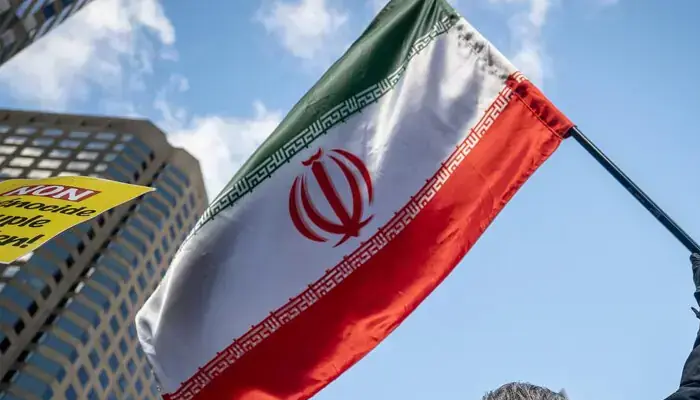

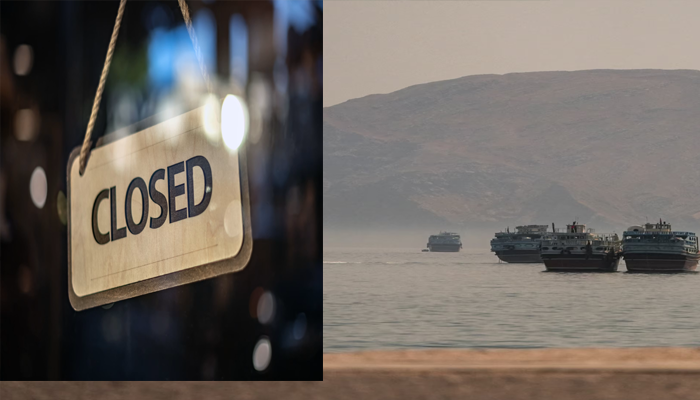
TEHRAN: Iran has expanded its military operations across the Gulf following fresh US strikes, declaring the strategic Strait of Hormuz closed and intensifying fears of a wider regional conflict that could disrupt global energy supplies and international shipping.
The latest escalation comes as tensions between Tehran and Washington continue to rise after a series of retaliatory attacks that have drawn several Gulf nations into the conflict. Iranian officials insist the Strait of Hormuz, one of the world's busiest oil transit routes, will remain closed until what they describe as American military intervention in the region comes to an end.
The conflict, which began with coordinated US and Israeli strikes against Iran on February 28, has rapidly evolved into one of the most serious security crises in the Middle East in recent years. The widening hostilities have already affected commercial shipping, regional energy infrastructure and diplomatic efforts aimed at restoring stability.
Iranian authorities confirmed fresh strikes on Qeshm and Farur islands in the Gulf, reporting casualties and damage to civilian infrastructure. At the same time, Kuwait announced that attacks had damaged northern border posts and targeted an offshore oil drilling platform, raising concerns about the security of critical energy facilities across the Gulf.
Earlier in the day, Iran claimed responsibility for targeting two vessels in the Strait of Hormuz, including a commercial ship that caught fire, forcing its crew to abandon the vessel. Following the incident, Iran's Revolutionary Guards declared that maritime traffic through the waterway would remain suspended under Iranian control.
The United States rejected Tehran's claims, with US Central Command stating that the Strait of Hormuz remains open for lawful international navigation. American officials said US naval forces are deployed throughout the region to protect commercial shipping and maintain freedom of navigation despite escalating military activity.
US President Donald Trump said American forces had struck Iranian military targets "very hard" in response to attacks on commercial vessels, while accusing Tehran of undermining ongoing diplomatic negotiations. Iranian retaliatory strikes triggered air raid sirens across Qatar, Bahrain and the United Arab Emirates, while Jordan reported missiles landing within its territory.
The escalating confrontation has prompted growing international concern over global oil markets, maritime trade and regional security. Pakistan, Oman and the United Nations have renewed calls for immediate de-escalation, urging both Iran and the United States to return to dialogue before the conflict spreads further across the Gulf.