
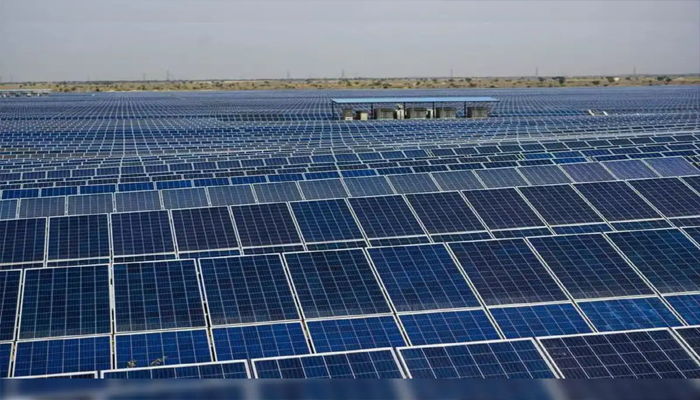
ISLAMABAD: Energy Minister Awais Leghari officially announced in the National Assembly that the controversial transition from net metering to net billing has been suspended. This decision ensures that electricity bills for solar power users will continue to be processed under the existing net metering framework, providing significant relief to hundreds of thousands of consumers across Pakistan.
The federal minister noted that the regulator had amended net metering regulations five times since the system was first introduced in 2017. These frequent changes sparked widespread objections and were viewed by many as a breach of contract. Highlighting the scale of solar adoption, Leghari mentioned that the country now boasts a solar energy capacity between 20,000 to 22,000 megawatts, with approximately 6,000 megawatts specifically integrated through the net metering system.
| Category | Existing Solar Consumers | New Solar Applicants (2026) |
| Buyback Rate | Rs 25.32 – Rs 26.00 per unit | Rs 8.13 – Rs 11.00 per unit |
| Grid Import Rate | Rs 37.00 – Rs 55.00 per unit | Rs 37.00 – Rs 60.00 per unit |
| Contract Duration | Remaining years of 7-year term | 5 years (New standard) |
| Billing System | Unit-for-unit (Net Metering) | Separate buy/sell (Net Billing) |
| Fixed Charges | Varies by load | Rs 200 – Rs 675 (Proposed) |
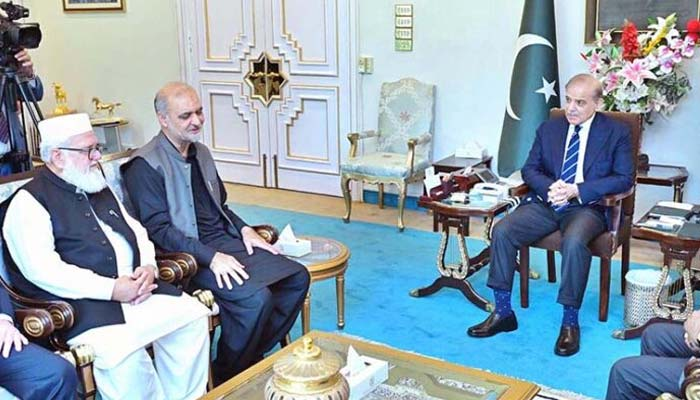
The reversal comes after a strong consensus among political parties and government allies, who demanded the withdrawal of the new regulations to protect consumer interests. Prime Minister Shehbaz Sharif intervened directly, instructing the Power Division to file a review appeal with the National Electric Power Regulatory Authority (NEPRA). The Prime Minister emphasized that the rights of current solar users must be safeguarded and that the existing 466,000 net metering consumers should not face a policy shift that undermines their initial investment in green energy.
While the government aims for Pakistan to generate 90% environment-friendly electricity by 2034, balancing the needs of 35 million national grid consumers remains a priority. Previously, the 2026 regulations proposed a net billing system where electricity would be purchased at the national average energy price with payments made on a quarterly basis. However, the minister confirmed that the adverse impact of these changes on existing users has been halted. This move aims to restore confidence in the government’s green energy policies as the country moves toward a more sustainable and equitable energy future.