
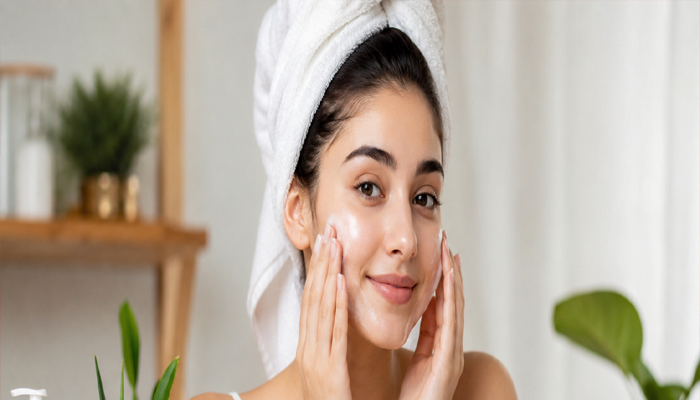
Clear, healthy skin is a goal for many people, but achieving it requires more than just using expensive skincare products. Healthy skin is the result of a consistent skincare routine, balanced nutrition, proper hydration, and healthy lifestyle habits.
While genetics and hormones play a role in skin health, following the right practices can significantly improve your complexion and reduce common skin concerns such as acne, dark spots, and dullness.
Clean Your Skin Properly
The first step to achieving clear skin is keeping it clean. Wash your face twice a day using a gentle cleanser suitable for your skin type. Cleansing removes dirt, oil, sweat, makeup, and pollutants that can clog pores and cause breakouts. Avoid washing your face too frequently or using harsh scrubs, as these can damage the skin's protective barrier and lead to irritation.
Moisturize Every Day
Many people believe oily skin does not need moisturizer, but this is a common misconception. Moisturizing helps maintain the skin's natural barrier, preventing dryness and irritation. Choose a lightweight, non-comedogenic moisturizer if you have oily or acne-prone skin, while those with dry skin should opt for richer, hydrating formulas.
Never Skip Sunscreen
Daily sunscreen is one of the most important steps in any skincare routine. Exposure to ultraviolet (UV) rays can cause premature aging, pigmentation, and increase the risk of skin cancer. Dermatologists recommend applying a broad-spectrum sunscreen with SPF 30 or higher every morning, even on cloudy days or when staying indoors near windows.
Eat a Healthy Diet
What you eat can affect your skin. A balanced diet rich in fruits, vegetables, whole grains, lean proteins, and healthy fats provides essential vitamins and antioxidants that support healthy skin. Foods containing Vitamin C, Vitamin E, zinc, and omega-3 fatty acids promote skin repair and reduce inflammation. Limiting sugary foods and highly processed snacks may also help reduce acne in some individuals.
Stay Hydrated
Drinking enough water throughout the day helps maintain healthy skin by supporting its natural functions. While water alone will not cure acne, proper hydration keeps skin looking fresh and improves its overall appearance. Most adults should aim for adequate daily fluid intake depending on their activity level and climate.
Get Enough Sleep
Sleep plays a crucial role in skin repair and regeneration. During sleep, the body produces collagen and repairs damaged skin cells. Adults should aim for seven to nine hours of quality sleep each night to reduce dark circles, improve skin texture, and maintain a healthy complexion.
Manage Stress
Stress can trigger hormonal changes that increase oil production and contribute to acne breakouts. Regular exercise, meditation, yoga, deep breathing, and spending time on enjoyable activities can help manage stress levels and support healthier skin.
Avoid Touching Your Face
Your hands carry bacteria, oil, and dirt throughout the day. Frequently touching your face or picking pimples can introduce bacteria into the skin, worsen inflammation, and increase the risk of permanent acne scars. It is best to keep your hands away from your face whenever possible.
Use Skincare Products Wisely
Choose skincare products based on your skin type rather than following trends. Ingredients such as salicylic acid help unclog pores, benzoyl peroxide fights acne-causing bacteria, niacinamide reduces redness, and retinoids improve skin texture and prevent breakouts. Introduce new products gradually and perform a patch test before regular use.
Exercise Regularly
Regular physical activity improves blood circulation, delivering oxygen and nutrients to skin cells. Exercise also helps reduce stress and promotes better sleep, both of which contribute to healthier skin. Remember to cleanse your face after workouts to remove sweat and excess oil.
Maintain Good Hygiene
Clean pillowcases, makeup brushes, mobile phone screens, and towels regularly, as they can collect bacteria that may contribute to breakouts. Using clean skincare tools helps reduce the risk of skin irritation and acne.
Be Patient and Consistent
Healthy skin does not happen overnight. Most skincare products require six to twelve weeks of consistent use before noticeable improvements appear. Avoid switching products too often, as this may irritate your skin and delay results.
When to See a Dermatologist
If you experience severe acne, painful cysts, persistent breakouts, or acne scars that do not improve with over-the-counter treatments, consult a dermatologist. A skin specialist can recommend prescription medications and personalized treatments to address your specific concerns.
Conclusion
Achieving clear skin requires a combination of proper skincare, healthy nutrition, hydration, sun protection, stress management, and consistency. While every person's skin is different, following these evidence-based habits can significantly improve your skin's health and appearance over time. By making skincare part of your daily routine and maintaining a healthy lifestyle, you can enjoy clearer, brighter, and healthier skin for years to come.