
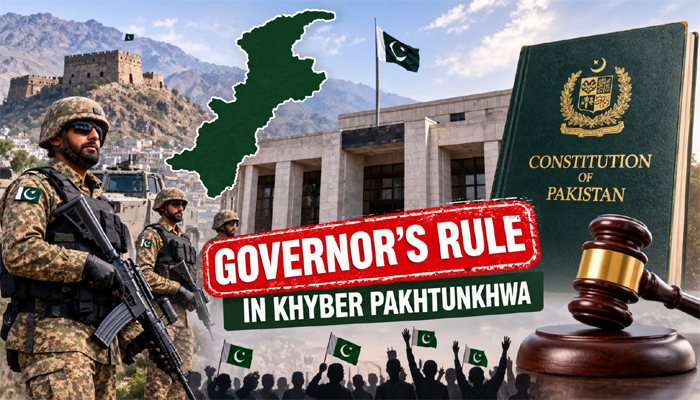
Governor's rule in Khyber Pakhtunkhwa (KPK has emerged as one of the most significant political and constitutional events in Pakistan's October 2026 journey.
The provincial decision was accepted by the federal government and President Asif Ali Zardari declared an emergency in the province and also declared a governor's rule on 11 October 2026. The ruling means that the province is now under the control of the federal government, previously headed by the Pakistan Tehreek-e-Insaf (PTI). This was done because of the deteriorating security situation and the provincial government's inability to effectively deal with terrorism, the federal government argued. But PTI challenged this decision and questioned its democratic and political legitimacy. This has put serious questions on the provincial autonomy, public safety, constitutional powers and future political stability in Pakistan.
Reasons behind Governor’s Rule
The strategic importance of Khyber Pakhtunkhwa is that it is on the border with Afghanistan. The province has been plagued by years of militant violence, especially in border areas with Afghanistan. Civilians, police and security personnel and innocent individuals have died as a result of terrorist attacks.
The Pakistan Institute for Conflict and Security Studies (PICSS) reported that in 2024 there were at least 908 attacks in Pakistan compared to 1,066 in 2025. The organisation has reported 1,232 attacks in the country's first nine months of 2026, of which most have taken place in Khyber Pakhtunkhwa and Balochistan provinces. These statistics show the severity of the security issues in Pakistan, but do not necessarily reflect the situation in KPK.
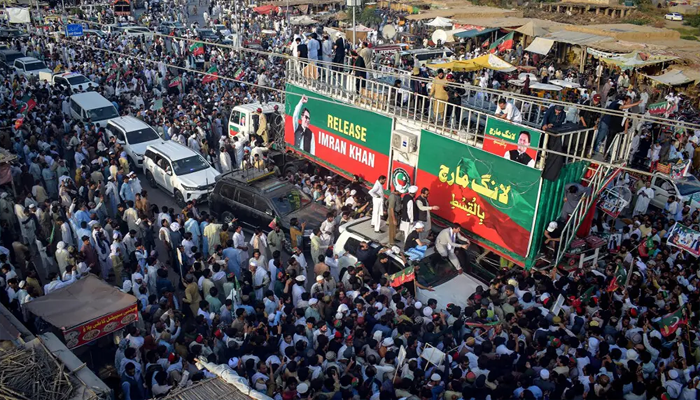
The federal government claimed that the security situation had become worse and the provincial government was not taking enough action to tackle terrorism. Federal ministers also mentioned differences between the federal government and the provincial government with regard to counterterrorism policy. The government told it had felt a need to receive better coordination and an effective administrative response to militant violence in the province. The move came after the party held unsuccessful political discussions with the federal government for a march to Islamabad, which coincided with the party's demand for the release of its jailed leader and former PM Imran Khan. Thus, the decision was made at a time when security issues were already combined with a high level of political tension.
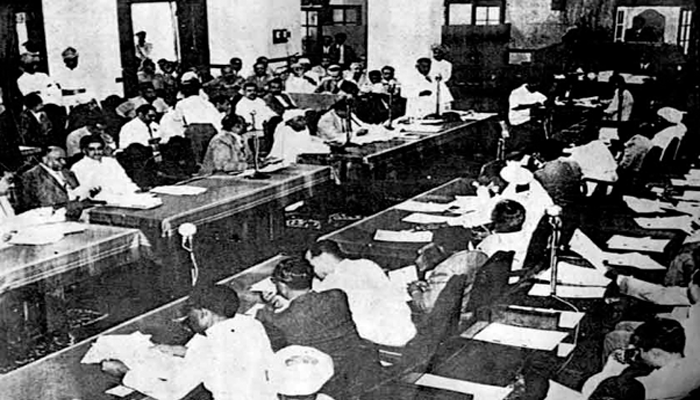
The new deal was that the Governor Faisal Karim Kundi would be tasked with managing the province's affairs, with an advisory council of 11 members. The federal government made this change so that the chief minister, provincial cabinet and advisers would no longer have the previous executive powers that the proclamation gave them. Parliament would also have some powers over the provincial assembly as per the constitutional set up. The imposition of the governor's rule was passed by a joint session of Parliament on 15 October 2026. A proclamation has to be approved by the Parliament and cannot be in force for more than six months under Article 234 of Pakistan's Constitution.
This decision is based on the constitution, which is of great importance. Article 232 is about the declaration of Emergency, when circumstances in Pakistan or in part of Pakistan threaten the security of Pakistan as mentioned in the Constitution. Article 234 deals with the circumstance where the government of a province cannot be conducted in accordance to the constitution. While these provisions offer some avenues for exceptional federal intervention, they also pose significant questions regarding constitutional protections, authority of the provinces and democratic accountability. The decision, in other words, should be made not only with regard to the security aspects, but also on legal grounds and taking into account the implications for representative government.
PTI vehemently protested this move stating that it was an assault on democracy and provincial autonomy. Party leaders asked the government why the entire province should be put under the governor's rule, given the high level of security challenges in some districts. PTI also demanded that the federal government should give due resources and support to the province to enhance its counterterrorism capability instead of suspending the work of the elected government of the Province.
The conflict between the two also points to a larger political issue in Pakistan that is making it more challenging to collaborate on security, development and public administration between federal and provincial governments. The federal government, however, argued that it had to take such a decision to tackle the security crisis.
The impact of governor's rule will be largely dependent upon the actions of the incoming government in addressing security and governance issues in the Province. The first thing that needs to be done is to protect citizens, reinforce police and counterterrorism institutions, tighten up intelligence cooperation and ensure effective protection for vulnerable communities. At the same time, education, healthcare, employment and economic development must not be neglected. Unstable conditions can affect the functioning of markets, the willingness to invest, and can lead families to abandon their homes and businesses. These problems can be exacerbated by political instability, especially in communities with poor economic prospects.
The other issue of major concern is civil liberties and democratic participation. Amnesty International cautioned on 13 October 2026 that the emergency situation was not a justification for human rights abuses or an undue crackdown. This warning underscores the need for lawful, proportionate and appropriate security measures and safeguards. Peaceful political opinions should be freely expressed by citizens, public affairs should be reported by journalists, and authority should be held to account. Security is paramount but public confidence must also be assured for peace and stability in the long term.
Conclusion
In the end, however, the declaration of governor's rule in KPK is a major challenge to the political institutions in Pakistan. The federal government is being challenged on the issue of whether its action will lead to better security and governance, and the opposition has voiced concerns about democratic representation and provincial rights. Political conflict or administrative reforms are not enough to address the province's entrenched security issues. Effective law enforcement, sufficient resources, political dialogue and respect for constitutional principles are necessary to achieve