ISLAMABAD: The International Monetary Fund and Pakistani authorities have officially reached a staff-level agreement regarding the third review of the Extended Fund Facility and the second review of the Resilience and Sustainability Facility. This milestone development follows intensive negotiations that began in early March, signaling a renewed confidence in the country's economic stabilization efforts. Once the IMF Executive Board provides final approval, Pakistan will secure access to approximately 1.2 billion dollars. This includes 1.0 billion dollars under the EFF and 210 million dollars via the RSF, bringing the total disbursements under these active arrangements to roughly 4.5 billion dollars.
The IMF statement highlighted that ongoing policies have been instrumental in rebuilding market confidence and strengthening external buffers. Despite a visible recovery in the fiscal year 2025, the global lender cautioned that regional conflicts in the Middle East continue to cast a shadow over the economic outlook. Volatile energy prices and tightening global financial conditions remain significant risks that could exert upward pressure on inflation and impact the current account balance. To counter these challenges, the government remains committed to a prudent fiscal stance, aiming for a primary surplus of 1.6 percent of GDP for the 2026 fiscal year.
A core component of the agreement involves deepening structural reforms within the Federal Board of Revenue. The FBR is currently implementing a transformation plan focused on digital invoicing, production monitoring, and enhanced taxpayer audits. These measures are designed to broaden the tax base and ensure revenue neutrality. Additionally, the government is prioritizing the Benazir Income Support Program to protect vulnerable households from food and fuel price volatility. By expanding beneficiary coverage and adjusting cash transfers for inflation, the authorities aim to mitigate the social impact of necessary economic adjustments.
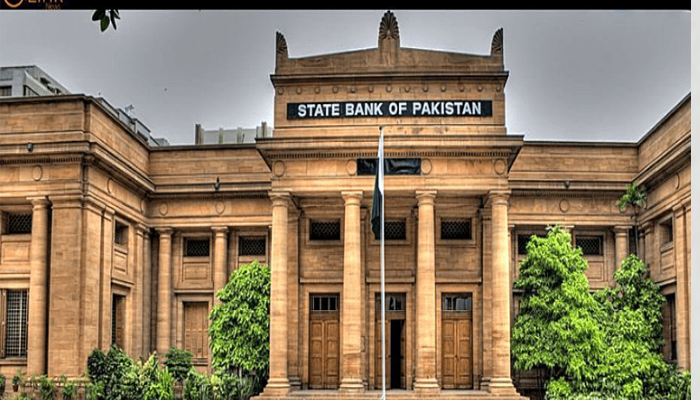
Monetary policy remains a critical pillar of the stabilization strategy. The State Bank of Pakistan has committed to maintaining a data-dependent and tight monetary policy to keep inflation within its target range. The IMF emphasized that exchange rate flexibility must continue to serve as the primary shock absorber against external spillovers. Meanwhile, the energy sector remains a focus area for reform. The authorities have pledged to prevent the recurrence of circular debt through timely tariff adjustments and the elimination of regressive energy subsidies. These efforts are coupled with plans to privatize inefficient generation companies and transition toward renewable energy sources.
Beyond immediate fiscal targets, the RSF program is helping Pakistan build resilience against climate change. Recent reforms have focused on green mobility, transport decarbonization, and the management of climate-related financial risks. While the IMF team’s visit was briefly adjusted due to security considerations earlier in the month, Finance Minister Muhammad Aurangzeb maintained consistent contact to finalize the technical details. This agreement underscores Pakistan's resolve to foster durable growth while preserving macroeconomic stability through rigorous institutional capacity building and anti-corruption efforts. The successful conclusion of this review is expected to further stabilize the national economy and encourage private sector development in a competitive market environment.