
ISLAMABAD: A revised Iranian peace proposal aimed at ending the ongoing Middle East conflict has been shared with the United States through Pakistan, according to a Pakistani diplomatic source, as negotiations between Tehran and Washington continue to face major hurdles.
The development comes at a time when ceasefire discussions between Iran and the United States remain stalled, with both sides struggling to bridge differences on key geopolitical and security issues. The source said that urgent diplomatic efforts are underway, warning that “time is running out” as both parties continue to shift their negotiating positions.
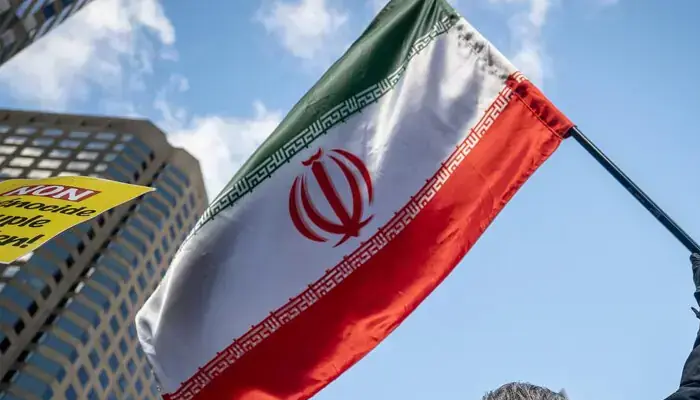
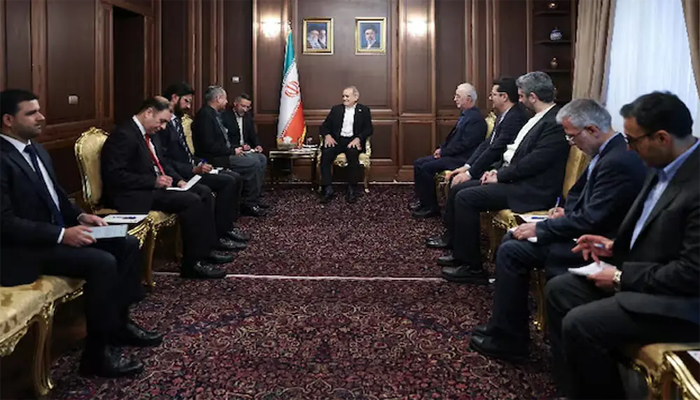
The Iranian Foreign Ministry confirmed that Tehran’s position was formally communicated to the United States via Pakistan, which is playing a mediating role in the regional peace process. The move highlights Pakistan’s growing diplomatic involvement in Middle East peace talks and international conflict resolution efforts.
According to reports, former U.S. President Donald Trump stated that the existing ceasefire framework, initially reached in April, is now “on life support” due to unresolved disagreements. The core issues include Iran’s nuclear program, regional military activities, and control over strategic maritime routes such as the Strait of Hormuz, a vital global oil shipping corridor.
Iran has demanded a complete end to hostilities across multiple fronts, including conflicts involving Lebanon, where tensions remain high between Hezbollah and Israel. Tehran has also insisted on guarantees against future attacks, lifting of naval blockades, compensation for war-related damages, and resumption of oil exports as part of any final agreement.
The Iranian Foreign Ministry spokesperson Esmaeil Baghaei stated that Tehran remains prepared for all possible outcomes, warning that Iran will respond firmly to any escalation. He reiterated that negotiations cannot proceed without a permanent end to military operations.
The ongoing Iran-US conflict negotiations have drawn global attention due to their impact on oil prices, Middle East stability, and international security. Analysts say Pakistan’s role as a diplomatic channel reflects increasing regional reliance on backdoor diplomacy to prevent further escalation in the crisis.