
TEHRAN: Tensions in the Middle East continue to escalate as Iran’s foreign minister has clarified that no formal decision has been made regarding negotiations with the United States, while Israeli Prime Minister Benjamin Netanyahu claims his country is strengthening new regional alliances aimed at countering Tehran.
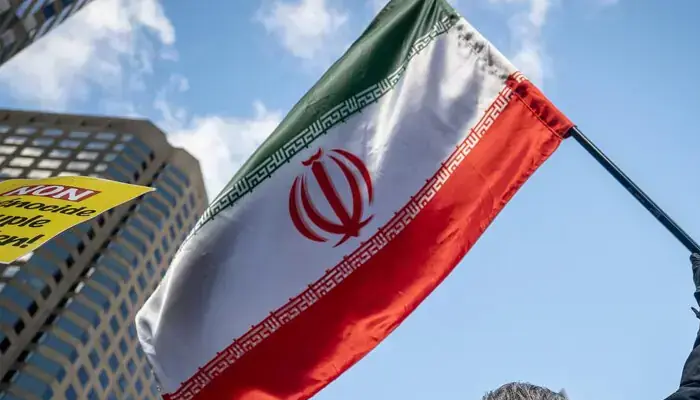
Iranian Foreign Minister Abbas Araghchi stated that although messages have been exchanged between Tehran and Washington, these should not be interpreted as formal negotiations. He emphasized that Iran has yet to respond to a U.S. proposal and is not currently engaged in direct talks, underscoring a cautious and calculated diplomatic stance.
Tehran has consistently denied U.S. claims of ongoing negotiations, with officials reiterating that any communication has occurred indirectly through mediators. According to Iran’s Foreign Ministry, no direct talks have taken place in recent weeks, despite Washington suggesting otherwise.
The diplomatic ambiguity comes amid heightened military conflict involving Iran, the United States, and Israel. The situation has intensified with continued airstrikes, regional instability, and disruptions to critical global oil routes such as the Strait of Hormuz. The conflict has already had far-reaching economic consequences, including surging oil prices and rising inflation worldwide..
On the other side, Israeli Prime Minister Benjamin Netanyahu has asserted that Israel is actively forming new strategic alliances in the region to counter Iran’s influence. While details of these alliances remain limited, analysts suggest that Israel is working closely with Gulf states and Western partners to build a coordinated front against Tehran’s military and geopolitical activities.
Netanyahu’s remarks highlight a broader regional realignment, where shared concerns over Iran’s missile program and regional proxies are driving cooperation among historically cautious partners. This evolving alliance network could reshape the balance of power in the Middle East, particularly as the conflict shows no immediate signs of de-escalation.
Meanwhile, the United States has sent mixed signals regarding diplomacy. While President Donald Trump has claimed progress in talks and hinted at potential agreements, his administration has also issued strong military warnings, including threats against key Iranian infrastructure if negotiations fail.
This dual-track approach—combining pressure with diplomacy—has added to the uncertainty surrounding any potential resolution. Iran, for its part, insists that any agreement must be comprehensive and aligned with its national interests, rather than a temporary ceasefire.
Experts warn that without clear diplomatic engagement, the risk of further escalation remains high. The absence of formal negotiations, combined with ongoing military operations and shifting alliances, suggests that the conflict could persist in the near term.
As global powers and regional actors continue to maneuver, the future of Iran-U.S. relations—and broader Middle East stability—remains uncertain, with diplomacy hanging in the balance.