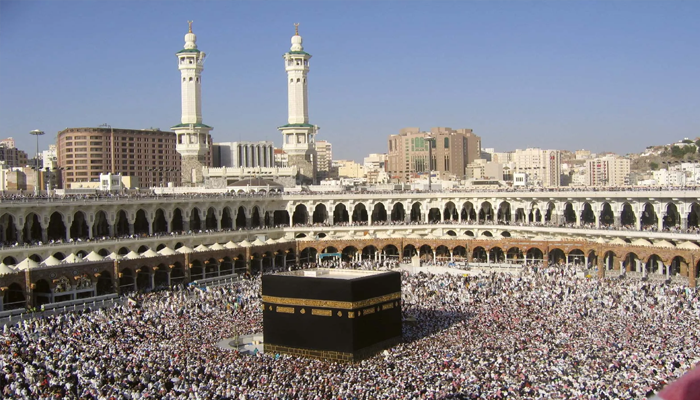

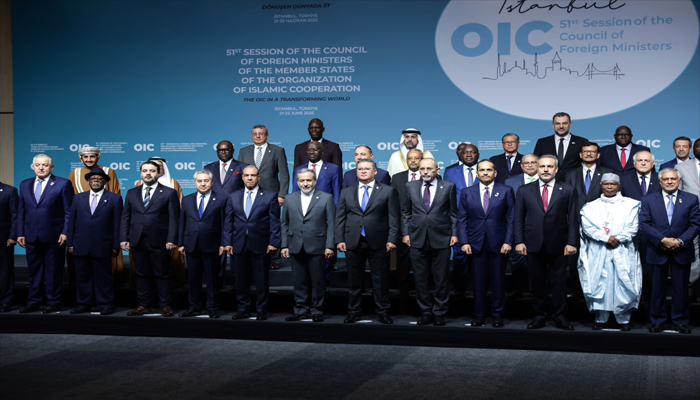
ISTANBUL: Foreign ministers from the Organization of Islamic Cooperation (OIC) are gathered in Istanbul for an urgent two‑day session focused on the Iran–Israel conflict, with discussions underway on military escalation, regional security, and diplomatic pathways to prevent further strife.
On Friday, ahead of the main OIC assembly, Arab League foreign ministers met in an extraordinary session. They overwhelmingly condemned Israel for its airstrikes on Iran—launched since June 13—and urged an immediate halt to military operations. The ministers emphasized the need to uphold state sovereignty and cautioned the UN Security Council against failure to act, warning that regional instability could worsen without intervention.
The weekend session, the 51st OIC Council of Foreign Ministers, includes representatives from all 57 member states. Turkish Foreign Minister Hakan Fidan, as host, has framed Israel’s actions as illegal and reckless, calling upon Muslim nations to stand united against them. Turkish President Recep Tayyip Erdoğan is expected to speak, urging collective diplomatic pressure in defense of regional security.
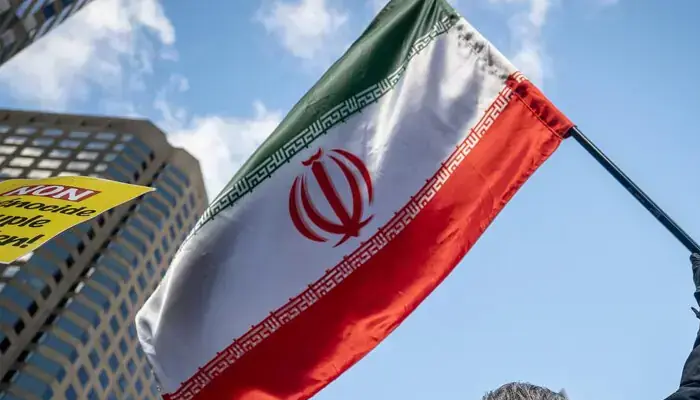
Iranian Foreign Minister Abbas Araqchi has arrived in Istanbul after engaging with European counterparts in Geneva. He reiterated that Iran would only resume diplomacy—especially regarding its nuclear programme—once Israeli strikes cease. At the same time, he warned that U.S. military intervention would pose grave risks, stating that American involvement would be “very, very dangerous for everyone”.
The OIC assembly is anticipated to issue a unified call for a cease‑fire and de‑escalation. Reports indicate that participants are preparing a joint resolution condemning violations of Iran’s sovereignty, demanding a stop to airstrikes, urging renewed negotiations on Iran’s nuclear programme, and seeking international safeguards around nuclear facilities.
Turkey is actively positioning itself as a mediator. Ankara has offered to facilitate a diplomatic breakthrough and accommodate refugees from Iran, although official Turkish sources downplay reports of large-scale displacement. Meanwhile, concerns are mounting over the humanitarian and geopolitical fallout—including risks to global energy markets via the Strait of Hormuz.
As the meeting progresses, all eyes are on whether the OIC can transform regional condemnation into a coherent diplomatic initiative—pressuring both Israel to halt operations and Iran to consider negotiations. The risk remains that without tangible agreements, the conflict could expand, destabilizing both regional alliances and international order.