
ISLAMABAD: Pakistan’s military on Friday said that at least 274 personnel belonging to the Afghan Taliban regime and affiliated militant groups were killed during a large-scale retaliatory operation following what it described as unprovoked cross-border aggression along the Pakistan–Afghanistan frontier.
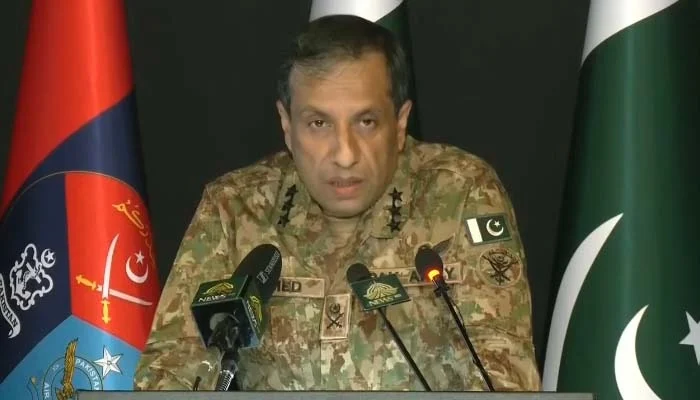
Speaking at a press conference, Inter-Services Public Relations (ISPR) Director General Ahmed Sharif Chaudhry said Pakistani forces carried out precision strikes on the nights of February 21 and 22, targeting militant hideouts inside Afghanistan after repeated firing incidents along the border.
According to the military spokesperson, clashes occurred in 15 sectors across 53 locations along the frontier. Areas in Khyber Pakhtunkhwa — including Chitral, Khyber, Mohmand, Kurram, and Bajaur — came under fire, prompting what he termed a “full-force” response from Pakistan’s armed forces.
The operation, named “Ghazab lil-Haq,” reportedly resulted in the destruction of more than 74 Taliban posts, while 18 checkposts were seized. The military also claimed that 115 tanks and armoured vehicles were destroyed. Additionally, 22 hideouts linked to Fitna al-Hindustan and Fitna al-Khawarij were targeted.
Air operations were conducted in Kandahar, Kabul, and Paktia, with the Pakistan Air Force striking what officials described as key military installations, including brigade headquarters in Kabul and Kandahar. Installations in Nangarhar, Laghman, and Paktika were also hit.
The ISPR chief stated that over 400 militants were wounded in the action and that many fighters fled, leaving behind the bodies of their associates.
On the Pakistani side, 12 security personnel were killed and 27 others injured during the clashes.
The military said the retaliatory campaign is ongoing under the directives of Prime Minister Shehbaz Sharif, emphasizing that operations were conducted strictly against military targets in defense of national sovereignty.
Officials further reported that attempted drone attacks in Abbottabad and Nowshera were intercepted and neutralized.
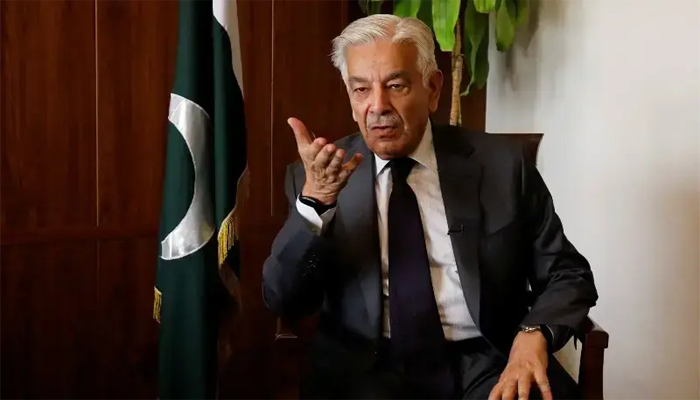
Meanwhile, Information Minister Attaullah Tarar said Pakistani forces responded after the Afghan Taliban initiated unprovoked firing. Defence Minister Khawaja Asif described the situation as an “open war,” warning that no compromise would be made on national security.
As tensions escalated, countries including China, Iran, and Malaysia called for restraint and dialogue between Islamabad and Kabul.
In response, Taliban spokesperson Zabihullah Mujahid stated that Afghanistan continues to support a peaceful resolution and called for talks to defuse the crisis.
Pakistan’s military leadership reiterated that the country remains fully prepared on both eastern and western borders and vowed to continue operations until stated objectives are achieved. Political parties across Pakistan have reportedly expressed unified support for ongoing counterterrorism efforts, including Operation Azm-e-Istehkam.