
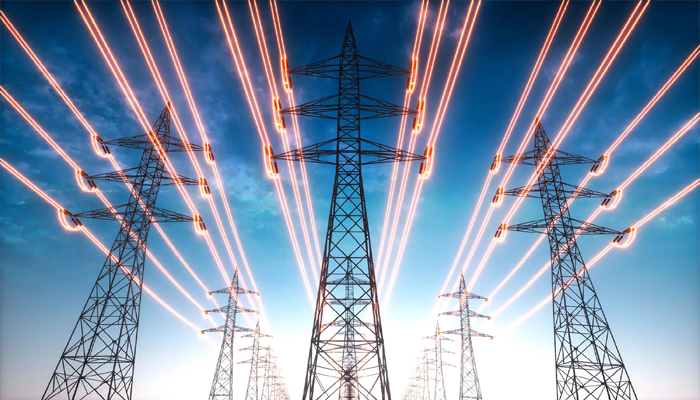
ISLAMABAD: The federal government has announced approximately 2.25 hours of daily electricity load shedding across Pakistan as part of a “peak relief strategy” aimed at preventing a sharp rise in power tariffs. The decision comes amid growing concerns over increasing fuel costs and rising electricity demand during peak hours.
— MOE- Power Division, Government of Pakistan (@MoWP15) April 14, 2026
According to the Power Division, electricity generation in Pakistan remains stable and sufficient to meet overall demand. However, the main challenge arises during peak hours, typically from 5pm to 1am, when consumption surges significantly. The situation is further intensified during the summer season due to reduced hydropower generation.
Officials stated that meeting peak demand through expensive sources such as furnace oil could push electricity prices up by as much as Rs5 to Rs6 per unit. To avoid this, the government has opted for controlled loadshedding, limiting outages to around 2.25 hours daily. This approach is expected to reduce reliance on costly fuel and help stabilize electricity tariffs.
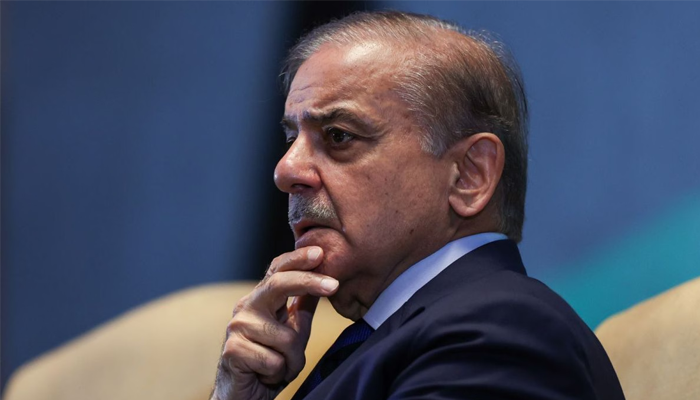
The initiative is being implemented under the supervision of Prime Minister Shehbaz Sharif, who has directed authorities to ensure that electricity prices remain affordable for consumers. Despite these measures, officials indicated that a minor increase of around Rs1.5 per unit may still occur.
Power distribution companies have been instructed to provide advance loadshedding schedules and strictly follow announced timings to minimize inconvenience for consumers. In cases of unexpected outages due to technical issues, timely updates will be communicated.
The government emphasized that this is not routine loadshedding but a targeted step to control electricity prices and reduce the financial burden on citizens. Authorities also noted that improved energy management and reforms have already led to a reduction of 71 paisa per unit in electricity prices between July and February, resulting in a cumulative relief of Rs46 billion.
Officials added that better demand management, including early closure of commercial markets and efficient use of low-cost energy sources, could further ease pressure on the system and prevent additional price hikes.