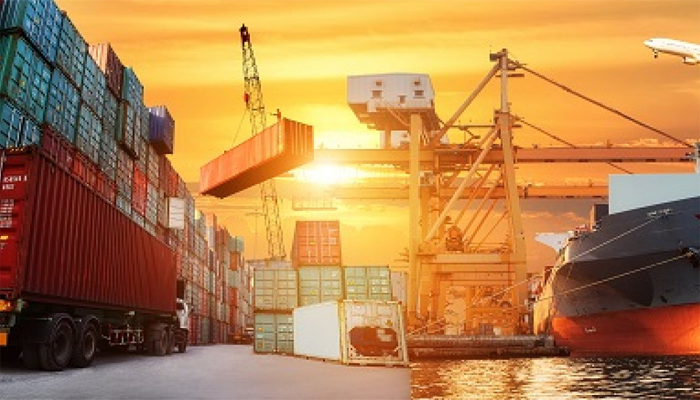
KARACHI: Pakistan has experienced an unprecedented 1,423 percent increase in port activity and transshipment volumes Aglobal shipping disruptions continue to reshape international trade routes. Due to the ongoing military situation in the Middle East and the closure of key maritime corridors, major global shipping lines are increasingly redirecting their cargo flows toward Pakistani waters. This shift has turned the country into a critical hub for regional and international maritime logistics during the early months of 2026.
According to the latest data, major ports including Karachi Port, Port Qasim, and the strategic Gwadar Port have reported record-breaking levels of cargo activity. The most staggering growth has been observed at the Karachi Port, where transshipment volumes handled in the last 24 days alone have already surpassed the total volume processed during the entire previous year. In 2025, Karachi Port handled approximately 8,300 containers in total. In a remarkable turnaround, the port has processed 8,313 containers in less than a month, marking a historic high for the facility.
This surge in maritime traffic is directly linked to the volatility in the Middle East, particularly the tensions involving the Strait of Hormuz. As shipping companies seek safer and more reliable alternatives to traditional routes, Pakistan’s geographical location has become a major asset. The sudden influx of cargo has tested the operational capacity of Pakistan’s maritime infrastructure, but officials state that the ports are managing the increased demand through enhanced shifts and digitized logistics management.
The economic implications of this 1,400 percent growth are significant for the Pakistan economy. Increased port revenues and the rise in logistics service demand are providing a much-needed boost to the national exchequer. Experts suggest that if Pakistan can sustain this efficiency, it could permanently cement its position as a preferred transshipment destination even after regional tensions subside. For now, the focus remains on maintaining the rapid pace of cargo handling at Karachi, Qasim, and Gwadar to support the global supply chain during this period of intense regional instability.