
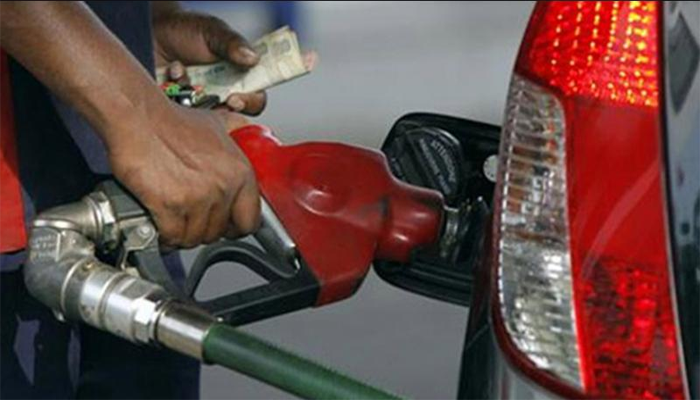
Following the latest revision, petrol will be available at Rs379.25 per litre, while the price of high-speed diesel has been fixed at Rs395.82 per litre.
The government continues to impose taxes and duties of Rs114 per litre on petrol and Rs100 per litre on diesel, adding to the financial burden on consumers amid ongoing uncertainty in international oil markets.
The latest adjustment comes amid heightened tensions in the Middle East and concerns about potential disruptions to global fuel supplies. On October 23, the Pakistan Petroleum Dealers Association urged consumers to avoid panic buying, warning that excessive purchases could create distortions in the market.
The issue of fuel availability was also raised in the Senate, where lawmakers expressed concerns despite assurances from Minister of State for Finance and Revenue Bilal Azhar Kayani that there were no supply shortages. PPP Senator Sherry Rehman questioned petrol availability for December, while Opposition Leader Raja Nasir Abbas warned of a potentially difficult situation amid escalating regional tensions.
Despite the latest increase, petrol and diesel prices remain below their April 3 peaks. High-speed diesel had reached Rs520.35 per litre, while petrol climbed to Rs458.41 per litre amid the US-Iran conflict.
In response to rising fuel costs, the government has reintroduced austerity measures, requiring markets to close by 9pm and reducing fuel allocations for official vehicles by 50 per cent for three months.
Prime Minister Shehbaz Sharif had also announced a relief scheme on September 13 for motorcycle users, rickshaws and owners of vehicles with engine capacities of up to 800cc to help vulnerable consumers cope with higher fuel costs.
Meanwhile, the government has shifted towards daily fuel price adjustments through the Oil and Gas Regulatory Authority (OGRA), allowing prices to reflect fluctuations in international petroleum markets.
Petrol prices directly affect private motorists, motorcycle users and rickshaw operators, while diesel price changes influence transportation, electricity generation and the cost of goods. Consequently, fuel price increases can contribute to broader inflationary pressures across the economy.