“Think 100 times before you take a decision, but once that decision is taken, stand by it as one man.”; Muhammad Ali Jinnah
This particular year of 1948 was a sorrowful year for Pakistan due to the demise of the Father of the Nation, Quaid-e-Azam Muhammad Ali Jinnah, on 11 September 1948. Jinnah passed away about thirteen months after the establishment of Pakistan.
He was a most valuable man, as not only was he the leader of the Pakistan Movement, but he also guided Pakistan through its first year. Jinnah was elected as Pakistan's first Governor-General on 15th August 1947 and served in the office till his death. He was confronted with huge problems during his brief tenure as Governor-General.
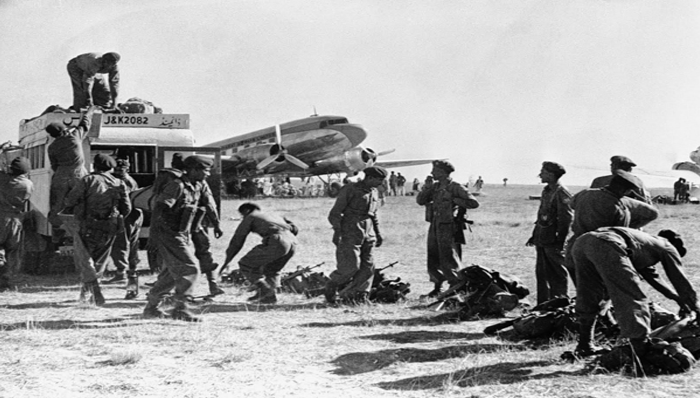
There was a need for assistance to millions of refugees, the Kashmir conflict had already started, government institutions had to be created, and Pakistan had to develop an economy and international image from scratch.
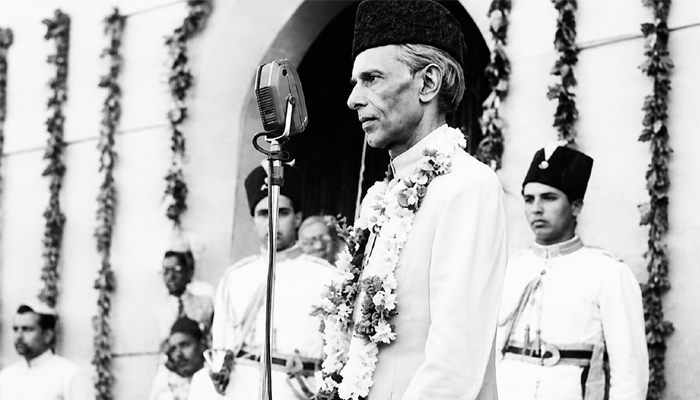
The condition of Jinnah's health was already poor, and he kept working. He travelled and met government officials, addressed public gatherings and in every visit repeated to people to work for Pakistan. He felt discipline and unity were the key to the survival of this fledgling state. In his principle “Unity, Faith and Discipline,” he uttered one of the most memorable messages of the Pakistan Movement. One of Jinnah's most important speeches was his address to the Constituent Assembly on 11 August 1947. This address was about citizenship, equality and religious freedom. His statements are still relevant in the context of citizens' rights and responsibilities in Pakistan.
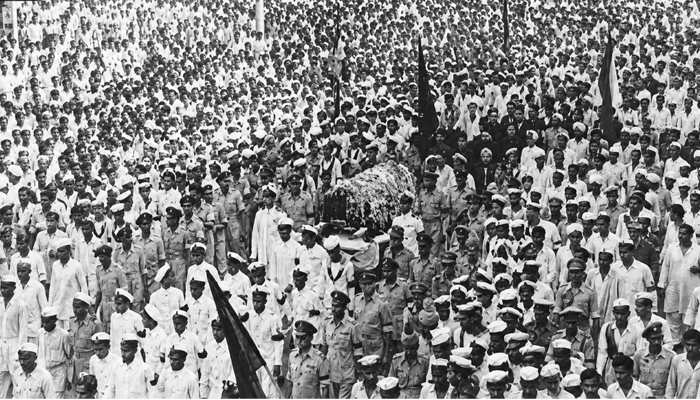
Jinnah's last few years in life were troubled due to his failing health. He did, however, still carry out his official duties. He passed away in Karachi on 11 September 1948. An enormous crowd turned up at his funeral and mourners throughout the country were asked to observe one day of mourning.
On the demise of Jinnah, a big leadership vacuum was created. Pakistan was deprived of the man who was instrumental in bringing together the Muslim League and had led the political movement for a separate homeland. Now the nation had to go without its creator: its authority and personality.
The National Assembly's official minutes also show that Jinnah was the Governor-General from 15th August 1947 till 11th September 1948. When Pakistan's political institutions were still in the early phase, it was a critical moment of his death. Jinnah's famous speech to the Pakistani nation wasn't just about political independence.
He wished that the people would work honestly, observe the law and make contributions to national development. He was a man of unity and discipline.
A simple line of poetry can express the feeling of the nation after his death:
“وہ شخص چلا گیا، مگر اس کی صدا باقی ہے،
وہ جسم نہیں رہا، مگر اس کی دعا باقی ہے۔”
Quaid-e-Azam's death marked a turning point in the history of Pakistan. Without him Pakistan's development now had to be the responsibility of the country's political system and its citizens. He is remembered annually on 25th December, his birth date, and his tomb in Karachi is one of the most important national monuments in the country.
Perhaps the most important attribute of Jinnah's life was that nations are made by determination, organisation and sacrifice. Pakistan had now lost its founder, but his vision and ideals still continued to guide the country on its path.