“A nation is not built by one man; it is built by the courage and sacrifice of its people.”
On 16 October 1951, Pakistan once again experienced a tragedy as the first Prime Minister of Pakistan, Liaquat Ali Khan, was assassinated in Rawalpindi.
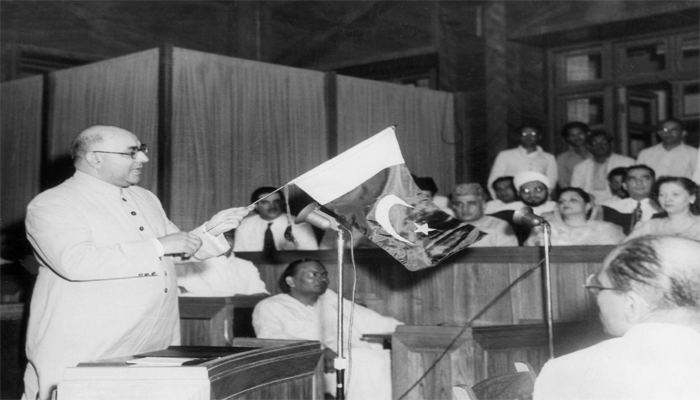
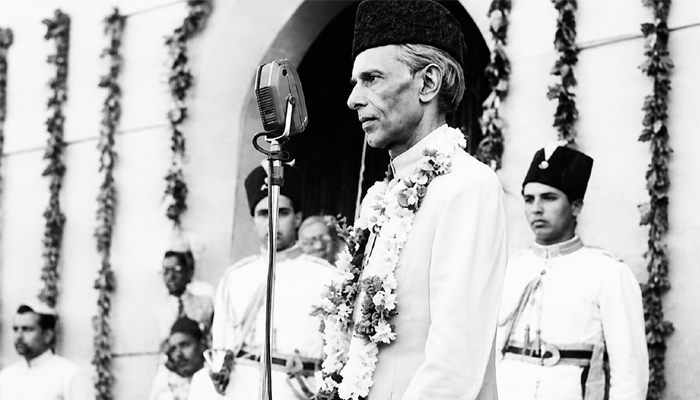
His death was just three years after the death of Quaid-e-Azam, which triggered another leadership vacuum in the newborn nation. Liaquat Ali Khan was one of the closest political colleagues of Jinnah. He played a significant role in the Pakistan Movement and was the first Prime Minister of Pakistan after independence. He was also the presenter of the Objectives Resolution in 1949.
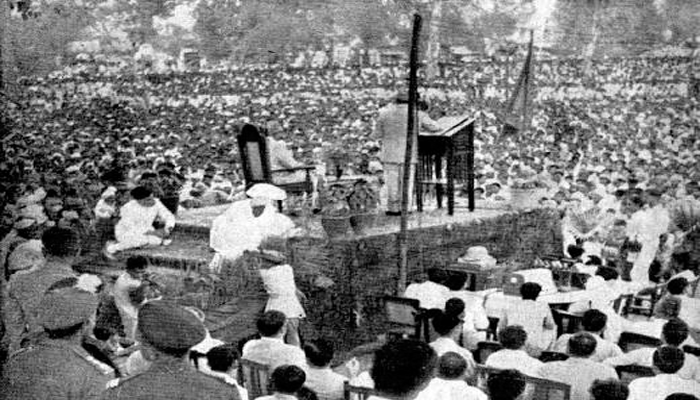
Liaquat Ali Khan was shot while he was giving a public speech at Company Bagh in Rawalpindi. Later, it was named Liaquat Bagh in his name. The National Assembly of Pakistan reported that he was shot dead on 16 October 1951, and Khawaja Nazimuddin became the Prime Minister the next day.
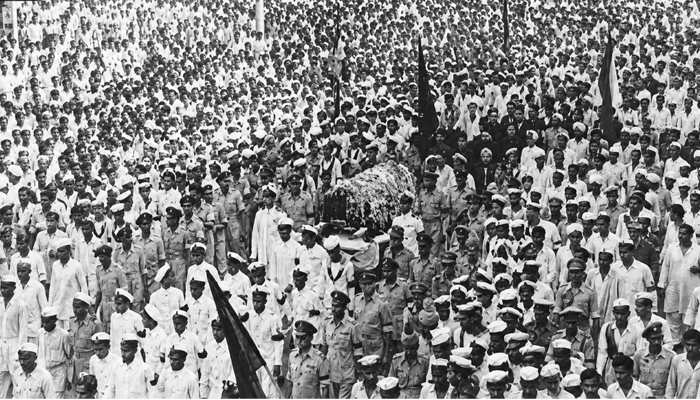
The nation was appalled by the murder. At that time, Pakistan was just four years old and was plagued with constitutional issues, economic difficulties, the Kashmir problem, and the establishment of stable political institutions. The deaths of other prominent national leaders made things even tougher.
An aspect of the assassination that was so disturbing was that the assassin, Said Akbar, was shot and killed after killing Liaquat Ali Khan. As the perpetrator was also killed, there was a lot of speculation about the complete circumstances and likely motive behind the assassination.
Politically, Liaquat Ali Khan's death also had repercussions. Pakistan was undergoing a leadership shift at a critical juncture, a period when it was still in the process of setting up a permanent constitutional framework. The first Constituent Assembly resumed its work, but there was growing political dissension.
He passed away as a reminder that the well-being of a nation is not to be entrusted to a handful of people.
Strong institutions are necessary to protect political stability. By 1948, Pakistan had lost Jinnah and by 1951, Liaquat. This indicates the susceptibility of the new state to leadership crises. The importance of Liaquat Ali Khan in the initial constitutional development of Pakistan cannot be ignored. He presented the Objectives Resolution that got him directly tied up with the country's constitutional history.
A simple poetic expression captures the sadness of the period:
“چراغ ایک بجھا تو رات گہری ہوگئی،
مگر قوم نے پھر بھی سفر جاری رکھا۔”
The murder of Liaquat Ali Khan, the Prime Minister, was thus not just the death of a Prime Minister. This was one of the most pivotal moments in the Political History of Pakistan. His death left a leadership void and increased the need for good democratic institutions