“Language is the road map of a culture. It tells you where its people come from and where they are going.”(Rita Mae Brown)
The Bengali Language Movement of 1952 was one of the most important events in the early history of Pakistan. Pakistan was divided into two wings – now known as East and West Pakistan. The population of East Pakistan were mostly Bengali-speaking, and Bengali was an important element of their cultural identity.
The question of the national language was all the more controversial after independence. Though Urdu was declared the national language, there were many Bengalis who wanted that Bengali should also be acknowledged as an official language. Language was more than just a means of communication to them. It was linked with their culture, literature, history and identity.
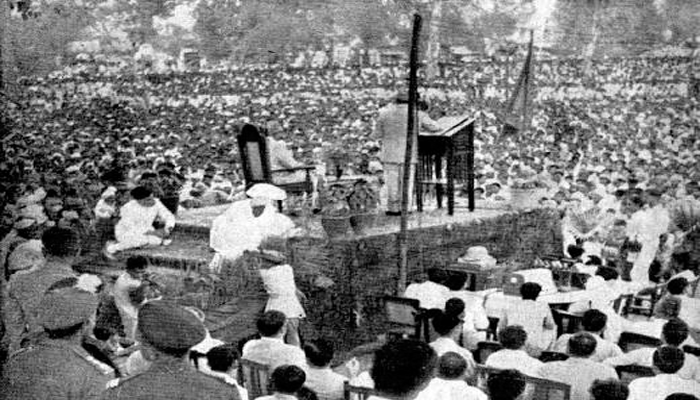
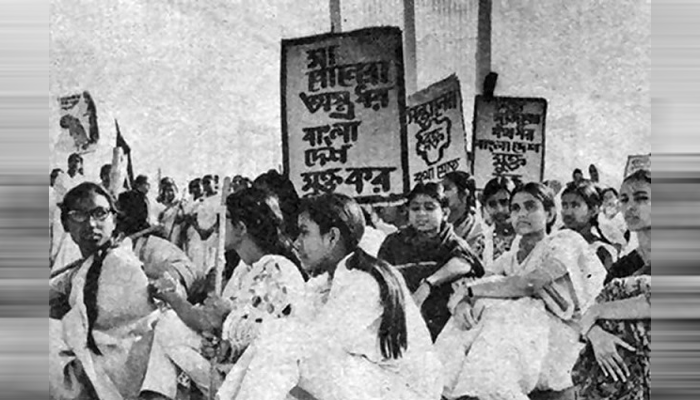
The conflict in East Pakistan intensified especially. Students and political activists staged protest marches for recognition of Bengali. Students in Dhaka protested on 21 February 1952 in spite of a ban on public assembly. Several protesters died.
The event came to represent the fight for language rights. Later, UNESCO acknowledged the historical significance of the movement and 21 February was marked as International Mother Language Day worldwide. The day celebrates the memory of the martyrs of the language movement in Dhaka.
The language movement did have significance in that it indicated a greater issue in Pakistan. The nation was seeking to establish national unity, although people spoke different languages, lived in different cultures and had different regional identities. The Bengali-speaking felt their language and culture were valued within the federation.
The movement slowly merged with the greater demands for political and provincial rights. This was crucial as the conflicts between East and West Pakistan did not end with the language issue. The issues of political representation, economic resources and provincial autonomy grew more heated over the next 2 decades.
The tragedy of 21 February thus had a much greater historical significance. It revealed that national unity can't be achieved if people's other characteristics are ignored. A strong country must respect the presence of a variety of languages and customs while at the same time promoting a sense of national identity.
A beautiful Bengali poetic idea associated with the importance of language is:
“My language is my identity;
my words carry the memory of my people.”
The Language Movement also resulted in a worldwide lesson. Celebrated on 21 February, International Mother Language Day is observed by millions of people around the world. It is, therefore, important to remember the events of 1952 as a part of the international movement on the Cultural and Linguistic rights of the peoples.
The movement was a warning to Pakistan that political unity demands respect, representation and understanding. The events of 1952 would continue to impact the political relations between East and West Pakistan until the ultimate formation of the nation of Bangladesh in 1971.