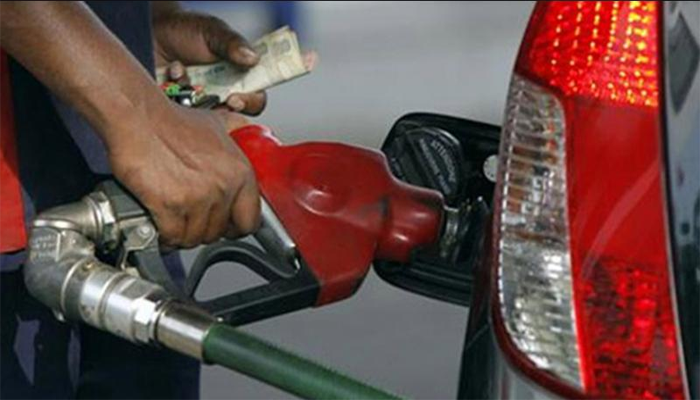
ISLAMABAD: The federal government has decided to maintain petroleum prices in Pakistan following Eid-ul-Fitr, providing much-needed relief to consumers. This decision comes as international oil prices witnessed a sharp decline of over 6% due to easing geopolitical tensions between Iran and Israel. Reports suggest that a peace proposal conveyed through Pakistan has significantly lowered the risk of escalation, leading to a recovery in global stock markets.
Furthermore, Tehran has indicated that it will permit non-hostile oil vessels to navigate the Strait of Hormuz, a critical maritime route for global energy supplies. This shift has alleviated immediate supply concerns that previously drove prices upward. In light of these developments, the government has opted to keep fuel rates unchanged rather than passing on the full impact of global fluctuations at this stage.
To manage the national fiscal deficit and financial pressures, the government has proposed a substantial reduction of Rs 100 billion in the federal development budget. Sources indicate that funding for ongoing projects will face a 10% cut, bringing the total development outlay down from Rs 1,000 billion to Rs 900 billion for the current fiscal year. These savings are expected to be redirected toward emergency relief measures.
The Oil and Gas Regulatory Authority (OGRA) is set to submit its formal working to the Petroleum Division within two days. Prime Minister Shehbaz Sharif will make the final determination regarding any future price adjustments. It is worth noting that on March 7, 2026, prices were hiked by Rs 55 per litre, bringing petrol to Rs 321.17 and diesel to Rs 335.86.
However, the All Pakistan Petrol Pump Owners Association (APPPOA) has voiced serious concerns regarding the current pricing mechanism. Vice Chairman Noman Butt, representing 15,000 petrol pump owners, has urged Petroleum Minister Ali Pervaiz Malik to include stakeholders in the decision-making process. The association warned of a nationwide strike and pump closures if their grievances regarding the pricing formula remain unaddressed.