
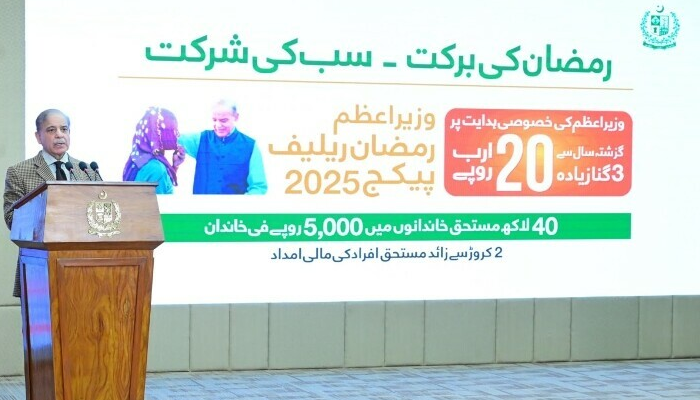
ISLAMABAD: Prime Minister Muhammad Shehbaz Sharif has officially unveiled the Ramadan Relief Package 2026, a massive financial initiative worth Rs38 billion. This nationwide program is designed to provide direct relief to over 12 million deserving families across Pakistan, including Punjab, Sindh, Khyber Pakhtunkhwa, Balochistan, Azad Jammu and Kashmir, and Gilgit-Baltistan.
During the launching ceremony in Islamabad, the Prime Minister highlighted a significant shift in the distribution model. Moving away from the traditional distribution of physical food items at utility stores, the government has adopted a sophisticated digital payment system. This transition aims to eliminate long queues, protect the dignity of citizens, and ensure the provision of high-quality support without the risks of corruption or mismanagement.
Under the new 2026 guidelines, the financial assistance has been more than doubled. Each eligible family will now receive a cash payment of Rs13,000, compared to the Rs5,000 provided in previous years. These funds will be disbursed through digital wallets and verified banking channels, following a framework established by the State Bank of Pakistan. Additionally, Rs10 billion has been specifically allocated for individuals already registered within the existing social safety nets.
To facilitate beneficiaries, the government has introduced a comprehensive support system. Citizens can verify their eligibility by sending their CNIC number to the dedicated helpline 9999. A specialized mobile app and online portal have also been launched to provide real-time updates and assist with the registration process.
Secretary Benazir Income Support Programme (BISP) Aamer Ali Ahmad described the initiative as a historic step toward a cashless economy and transparent welfare. The package is expected to provide essential support to approximately 36 million people, helping them manage the rising costs of groceries and household expenses during the holy month. Prime Minister Shehbaz Sharif emphasized that he would personally monitor the implementation to ensure that the relief reaches every deserving household efficiently and transparently.