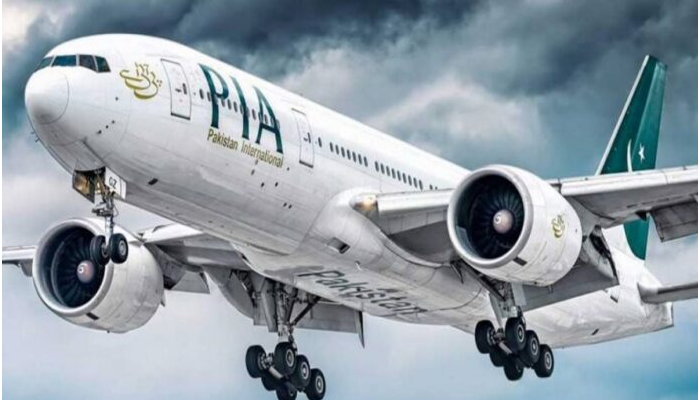
Pakistan International Airlines has always been a national pride, but over several years, it has also become a huge liability to the country. PIA was founded in 1955, and it used to be regarded as one of the best airlines in Asia; in fact, it assisted other nations in establishing their national carriers. However, with time, the airline was sinking into dismal decline due to political interference, mismanagement, overworking and outdated aircraft. Due to such issues, the government resolved to privatise PIA as a way of getting it off the ground and save it the burden it was causing to the national economy.
PIA has been operating at a loss for over twenty years. The airline was relying on government bailouts to survive. By 2023, the total liabilities of PIA had topped hundreds of billions of rupees and comprised loans, unpaid taxes and arrears to fuel suppliers and airports. The airline eventually paid these losses through taxpayers, yet it did not improve its service delivery and was losing market share to the private and foreign airlines. The government came to the understanding that it could not sustain itself to keep PIA as a state-owned company. The entire economic privatisation of Pakistan was also associated with the rest of the economic policies by the International Monetary Fund (IMF) program. The IMF had persistently urged Pakistan to minimise losses made by state-run businesses such as PIA, Pakistan Steel Mills and power distribution companies. PIA was one of the most pressing cases due to its size and losses that are constant. The government felt that by privatising government-owned enterprises, professional management, superior decision-making, and financial discipline would be achieved at the enterprise.
The government had done extensive restructuring before it could sell PIA. Most of the old debt that PIA had was shifted to another government-owned holding company in order to make the airline appear financially clean in the eyes of investors. The number of employees was lowered by the use of voluntary separation schemes, and some of the unprofitable routes were eliminated. Following these actions, PIA has made profits in 2024, the first in over 20 years, of approximately 26 billion rupees. In part, this profit was attributed to accounting adjustments in order to boost investor confidence. Privatisation was being done through the Privatisation Commission and was to be more transparent than the previous attempts. The government resolved to privatise 75 per cent equity in PIA and retain 25 per cent by the government. A number of local business groups were interested, and a prequalification process was conducted, after which only a few bidders were invited to join. The final bidding was also aired on TV in order to increase the trust of the people.
In December 2025, the Arif Habib Corporation-led consortium made the winning offer and bid approximately 135 billion rupees to have 75 per cent of PIA. This was more than the 100 billion rupees, which was the reserve price set by the government. The consortium encompassed firms of various industries like fertiliser, education and real estate. Under the deal, the government will take only a minor portion of the sum in direct form, but the majority will be reinvested in PIA to enhance operations, increase the fleet and meet the requirements of working capital. The new owners have promised to inject over 100billion rupees in the next five years. They intend to add new planes, enhance performance on time, reopen profitable international routes and enhance customer service. The government also provided stimuli like tax exemptions on the purchase of aircraft and spare parts to aid the recovery of the airline. The purpose of these incentives is to make PIA compete with regional and international airlines.
One of the main points in the debate of privatisation concerned employees. There has been a long history of overstaffing of PIA, so there are significantly more staff per plane than the standards of other airports. The agreement would also deal with the fears of the sudden loss of jobs since the new owners would not lay off all the current employees within the first year of ownership. Any subsequent adjustment will be gradual and will be pegged to performance and financial factors. Although these promises are there, privatisation has been criticised. According to some analysts, PIA was sold at a low price, particularly given the rich landing rights, airport slots, brand name, and real estate property. Others argue that, though the debt of PIA was not reflected in its balance sheet before privatisation, the government still has to pay such debt; that is, taxpayers still have to shoulder part of the burden. A majority of the political voices also state that strategic national assets must not be sold to private groups.
Proponents of privatisation justify this by stating that the government does not run airlines but only controls them. They think PIA would again emerge as a competitive airline, provide employment and make economic growth possible without depending on government funds when managed well. There is also the claim that government ownership would only result in further losses and bailouts. The new owners are expected to take over complete operational control of PIA in 2026, upon regulatory and legal approvals. The next several years will be critical to determine whether privatisation was the correct choice or not. In case the new management manages to increase efficiency, the quality of services and the profitability, the privatisation of PIA can serve as an example of reforming other loss-making state-owned enterprises in Pakistan. Otherwise, it will be a controversial episode in the history of the country's economy of the country.