In a nation already burdened by economic fragility, recent policy announcements have laid bare a painful truth: relief, when it comes, often arrives wrapped in symbolism rather than substance.
The decision to offer a meager Rs2,000 fuel subsidy to bikers in Sindh, while Punjab and Islamabad temporarily waive fares for public transportation, has been presented as compassion. Yet for millions of deprived citizens across Pakistan, it feels less like relief and more like a quiet admission of how little their struggles are understood—or perhaps, how conveniently they are overlooked.
For a daily wage laborer, a motorbike is not a luxury; it is survival. It is the fragile bridge between hunger and sustenance, between unemployment and the hope of a day’s earnings. In a climate where fuel prices devour a significant portion of income, Rs2,000 is not relief—it is a fleeting illusion. It may cover a few days of commuting, but it cannot shield families from the relentless tide of inflation, rising utility costs, and shrinking purchasing power. It is a drop in an ocean of need, presented as if it were rainfall.
Meanwhile, the gesture of free public transportation, though seemingly generous, exposes another layer of disparity. Public transport systems remain inadequate, overcrowded, and inaccessible for large segments of the population. For many, especially those in rural or peri-urban areas, such announcements exist only on paper. The reality is stark: policies designed in urban centers rarely penetrate the margins where deprivation is most severe.
The tragedy lies not only in the insufficiency of these measures but in the pattern they represent. Governments have mastered the art of crafting headline-friendly relief—policies that sound impactful but demand minimal structural change. It is a cleverness that borders on cruelty. By offering small, visible concessions, authorities create the appearance of responsiveness while avoiding the deeper, more difficult reforms that could genuinely uplift the poor.
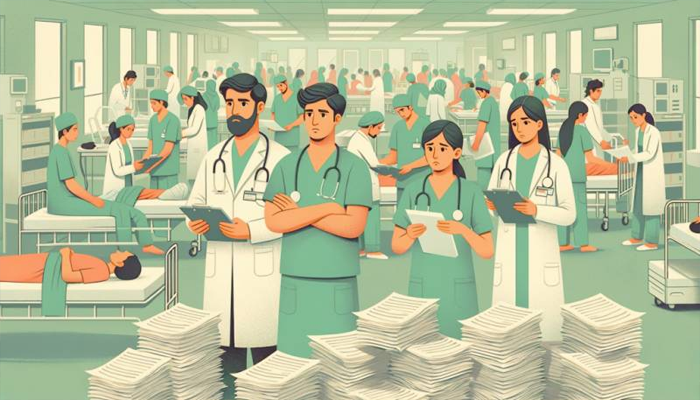
This approach reveals a troubling disconnect. The deprived citizen is not merely struggling with fuel prices or transport costs; they are navigating a web of systemic challenges—unemployment, inadequate healthcare, failing education systems, and an absence of social security. Temporary subsidies do not dismantle these barriers; they merely soften their edges for a moment.
There is also a psychological toll. When relief measures fall short, they do more than fail economically—they erode trust. Citizens begin to see governance not as a partnership but as a performance, where their suffering is acknowledged only to the extent that it can be politically leveraged. Hope becomes conditional, fragile, and ultimately exhausting.
True relief requires courage—the courage to prioritize long-term welfare over short-term applause. It demands policies rooted in equity, transparency, and a genuine understanding of lived realities. Without this, every announcement risks becoming another reminder of neglect, another echo of promises that never quite reach the ground.
In the end, the deprived citizens of Pakistan do not seek charity disguised as policy. They seek dignity, stability, and fairness. Until governance evolves beyond symbolic gestures, the gap between the rulers and the ruled will not merely persist—it will deepen, quietly and relentlessly, with every token measure that fails to meet the magnitude of their need.