
WASHINGTON DC: Donald Trump has claimed that Iran is seeking a ceasefire, but made it clear that no truce will be considered until the crucial Strait of Hormuz is fully reopened for global energy shipments. His remarks come amid escalating tensions and a deepening Middle East crisis.
In a statement, Trump said Iran had reached out for a ceasefire, but emphasized that restoring navigation through the Strait of Hormuz remains a top priority. The waterway is a vital route, carrying nearly one-fifth of the world’s oil supply, and its closure has triggered a global energy crisis.
Trump also warned of intensified military action, stating that the United States would continue strikes alongside Israel until its objectives are achieved. He indicated that the next two to three weeks could be critical, with potential attacks targeting Iran’s power infrastructure if no agreement is reached.
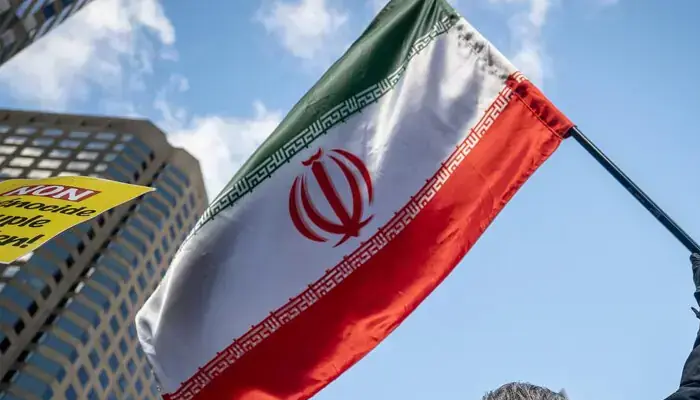
Meanwhile, Iranian officials have denied any ongoing negotiations. Iranian President Masoud Pezeshkian stated that Tehran is willing to consider a ceasefire only if guarantees are provided that hostilities will not resume. Despite this, fresh missile strikes have reportedly been launched toward Israeli and Gulf-linked targets, further escalating the conflict.
The Islamic Revolutionary Guard Corps has also confirmed that the Strait of Hormuz will remain closed to what it calls hostile nations. Reports suggest an oil tanker in the Gulf was struck, adding to concerns over maritime security in the region.
The ongoing crisis has severely impacted global markets, with oil prices surging and inflation rising in several countries. Although markets briefly reacted positively to Trump’s comments about a possible end to the war, uncertainty continues to dominate economic outlooks worldwide.
European leaders, including Emmanuel Macron, have expressed reluctance to join the conflict, while diplomatic efforts are underway to stabilize the situation. The United Kingdom is also hosting talks with multiple countries to explore options for reopening the vital shipping route.
As tensions persist, the situation remains volatile, with global energy security and regional stability hanging in the balance.