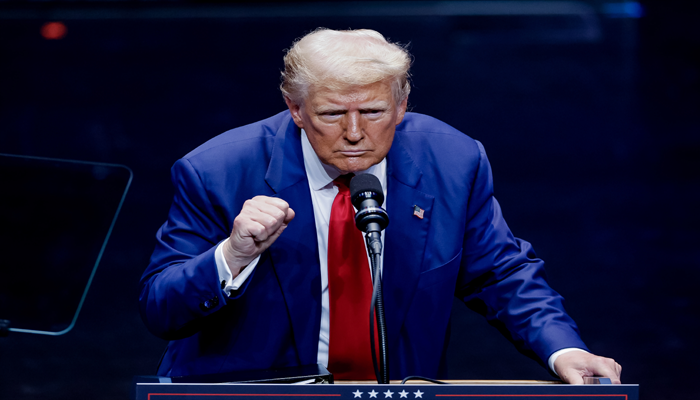
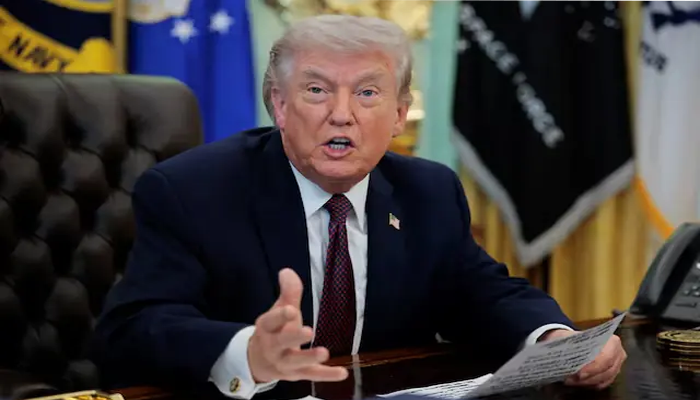
WASHINGTON DC: U.S. President Donald Trump has requested a 10% cut in non-defense discretionary spending and a $500 billion increase in defense funding for the 2027 fiscal year amid ongoing U.S. military operations in Iran. The proposed budget raises defense spending to $1.5 trillion, up from roughly $1 trillion in 2026, and includes a 5-7% pay raise for military personnel, many of whom are actively deployed in the Middle East.
The White House budget request reflects Trump’s focus on military priorities and political positioning ahead of the 2026 midterm elections, with Republicans aiming to maintain their Senate and House majorities. Trump’s proposed spending includes funding for the controversial Golden Dome missile defense shield, critical mineral stockpiles for defense, and $65.8 billion for 34 new combat and support ships, including the initial funding for the Trump-class battleship and submarines.
The Pentagon previously requested $200 billion to cover Iran war costs, but the White House has not yet submitted an official request to Congress, where the proposed increases are likely to face scrutiny from both parties. Non-defense discretionary programs face cuts, including environmental initiatives, National Endowment for Democracy funding, and Justice Department programs deemed “duplicative” or “weaponized.” Homeland security, immigration enforcement, and Justice Department budgets receive increases, including $2.2 billion for ICE operations and $481 million for air traffic controller hiring.
Mandatory federal programs such as Social Security and Medicare remain untouched in the proposal, as cuts to these programs are politically sensitive. The White House has not released projections for the impact of the budget on the U.S. deficit, which the Congressional Budget Office estimates will reach $1.853 trillion in fiscal 2026.
Trump’s 2027 budget signals continued prioritization of military spending amid the Iran conflict and reflects an effort to fund high-profile defense initiatives while reducing domestic discretionary spending. The proposal also includes funding for Trump-specific initiatives, such as a $10 billion Presidential Capital Stewardship Program for construction and beautification projects in Washington, D.C. Congress will review and adjust the request before final approval, and negotiations with Democrats over spending priorities are expected to be contentious.
The budget demonstrates the administration’s focus on national security, military readiness, and midterm election messaging, while balancing economic pressures at home amid rising energy costs linked to the Middle East conflict.