
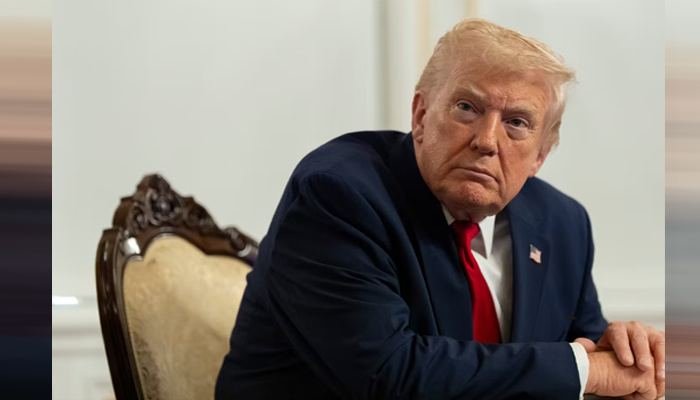
WASHINGTON DC: US President Donald Trump announced on Thursday that Iran has permitted ten oil tankers to transit through the Strait of Hormuz, describing the move as a goodwill gesture amid ongoing negotiations. During a Cabinet meeting at the White House, Trump elaborated on the development, which he had previously alluded to as a significant present from the Iranian leadership. He noted that while initial discussions suggested eight vessels would be released, the final count reached ten boats, some of which were reportedly Pakistani-flagged.
The release of these vessels comes at a critical time as the United States continues to pressure Iran to reach a comprehensive deal. The primary objectives of these talks include clearing the maritime chokepoint and addressing concerns regarding the regional nuclear programme. The Strait of Hormuz remains one of the most vital shipping lanes in the world, serving as a conduit for a fifth of the global supply of crude oil and liquefied natural gas.
Earlier in the week, Trump had intrigued observers by mentioning an expensive energy-related concession from Iran without providing specific details. The confirmation of the tanker transit clarifies those remarks. Recent ship-tracking data had already indicated that certain vessels, including a Pakistan-bound tanker, were successfully navigating the strait despite the heightened tensions and the broader US-Israeli conflict involving Iran.
The ongoing maritime instability has had a profound impact on global energy prices. Since the start of the hostilities, multiple shipping incidents in the Gulf have effectively restricted passage, leading to market volatility. Pakistan, in particular, remains highly sensitive to these disruptions as it relies heavily on imported crude and refined fuels from Gulf producers. Most of these essential energy imports must pass through the Strait of Hormuz to reach Pakistani ports.
While the White House has yet to release a detailed manifest of the vessels involved, the gesture is being viewed by some as a sign that Iran may be seeking a diplomatic opening. However, regional markets remain cautious as investors monitor whether this development will lead to a sustained reduction in Middle East tensions.