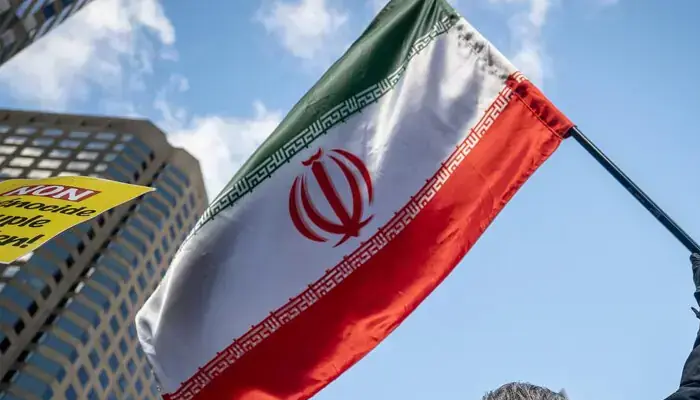

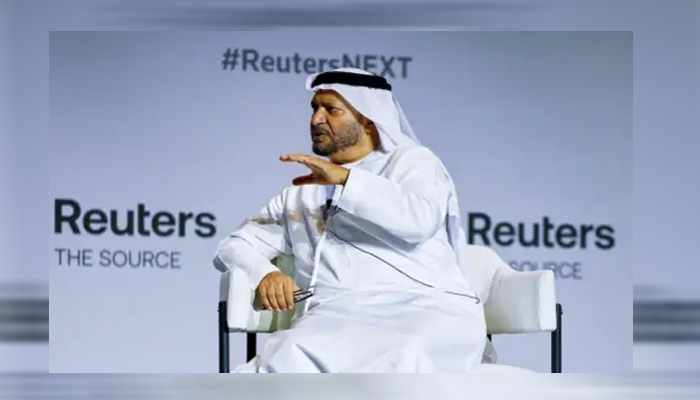
UAE: Tensions in the Gulf region have intensified after a senior official from the United Arab Emirates described Iran as a “source of danger” to regional security and stability. The statement comes amid growing concerns over recent incidents and the fragile situation surrounding the Strait of Hormuz, a vital route for global oil shipments.
The UAE official’s remarks highlight rising geopolitical friction between Gulf nations and Iran, as fears of escalation continue to mount. The Strait of Hormuz remains a critical chokepoint, with a significant percentage of the world’s oil supply passing through it. Any disruption in this area could have major consequences for global energy markets and international trade.
Meanwhile, European Council President Charles Michel strongly condemned recent strikes targeting the UAE, calling them “unacceptable” and urging all parties to exercise restraint. His comments reflect growing concern among European leaders about the potential for wider conflict in the Gulf and its impact on global stability.
In Asia, South Korea has announced it will review its potential participation in a US-led maritime security initiative in the Strait of Hormuz. The move comes as the United States seeks to strengthen international cooperation to ensure safe passage for commercial vessels in the region.
Security analysts warn that increasing military presence and political tensions could further complicate the situation. Calls for diplomatic engagement are growing louder, as stakeholders seek to avoid a direct confrontation that could destabilize the entire Middle East.
The latest developments underscore the fragile balance of power in the Gulf region, where longstanding rivalries and strategic interests continue to collide. As international actors weigh their responses, the focus remains on preventing escalation while safeguarding critical energy routes.
With global attention fixed on the Strait of Hormuz tensions, the coming days will be crucial in determining whether diplomacy can prevail over conflict in one of the world’s most sensitive geopolitical hotspots.