
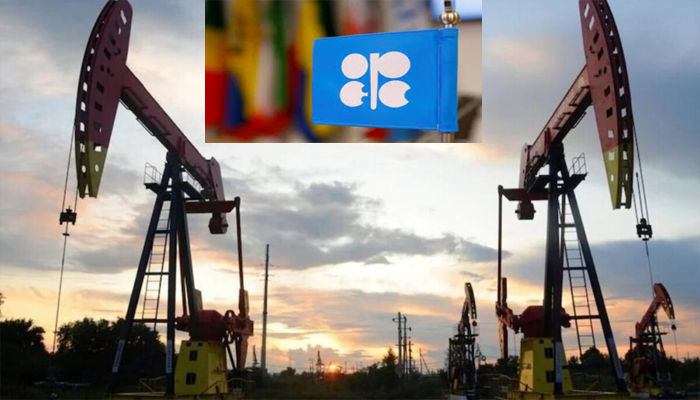
ABU DHABI: United Arab Emirates announced on Tuesday that it is officially leaving OPEC and OPEC+, a major development that could reshape the global oil market and weaken the influence of the world’s leading oil-producing alliance.
The unexpected decision marks a significant setback for Organization of the Petroleum Exporting Countries, as the UAE has long been considered one of the group’s most influential Gulf members. Analysts believe the move could create instability within OPEC+, which has historically attempted to maintain unity despite internal disagreements over oil production quotas, regional politics, and energy policies.
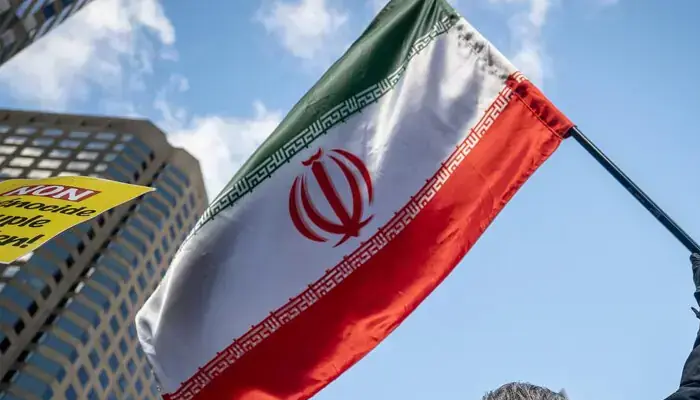
The announcement comes at a time when Gulf oil exporters are facing serious challenges in shipping crude oil through the Strait of Hormuz, one of the world’s most important energy chokepoints. The narrow waterway between Iran and Oman handles nearly 20 percent of global crude oil and liquefied natural gas shipments. Recent Iranian threats and attacks targeting commercial vessels have increased concerns over regional energy security and global oil supply disruptions.
The UAE’s exit is also being viewed as a political victory for Donald Trump, who has repeatedly criticized OPEC for allegedly manipulating oil prices and harming global economies through production cuts.
Reports suggest the UAE’s frustration with regional allies played a role in the decision. The country has reportedly expressed dissatisfaction with the response of fellow Arab and Gulf nations during recent tensions involving Iran.
Anwar Gargash, diplomatic adviser to the UAE president, publicly criticized the political and military response of Arab states and Gulf Cooperation Council members during a session at the Gulf Influencers Forum.
Gargash stated that Gulf nations provided logistical support but failed to demonstrate strong political or military unity during the conflict. He also expressed disappointment with the response from the Gulf Cooperation Council, saying he had expected stronger solidarity from regional allies.
Energy analysts believe the UAE’s departure could impact future oil production agreements and weaken coordination among major oil exporters. Global markets are now closely watching how OPEC and OPEC+ members respond to the development, especially as oil prices remain highly sensitive to geopolitical tensions in the Middle East.