
UNITED KINGDOM: UK Prime Minister Keir Starmer has stated that Britain will not support any blockade of the Strait of Hormuz and will avoid being drawn into the escalating conflict involving Iran and the United States.
Speaking to BBC Radio 5 Live on Monday, Starmer said the UK’s position is clear: reopening and maintaining free navigation through the Strait is a priority. He stressed that Britain is focusing its efforts on ensuring the waterway remains fully operational amid rising tensions in the region.
The statement comes as the United States has begun enforcing a maritime blockade targeting Iranian ports following failed negotiations aimed at ending the ongoing conflict. The move has significantly raised geopolitical tensions in the Gulf region and sparked concerns over global energy security.
Starmer emphasized that the UK is not participating in the blockade and has no intention of becoming involved in the war unless there is a clear legal basis and a well-defined strategic plan. He added that despite external pressure, Britain will avoid being “dragged into the war.”
The UK has deployed naval assets, including minesweepers, to the region, focusing on ensuring safe passage through the Strait of Hormuz. However, Starmer declined to provide operational details, stating that military activity is centered on maintaining open sea lanes and protecting international shipping.
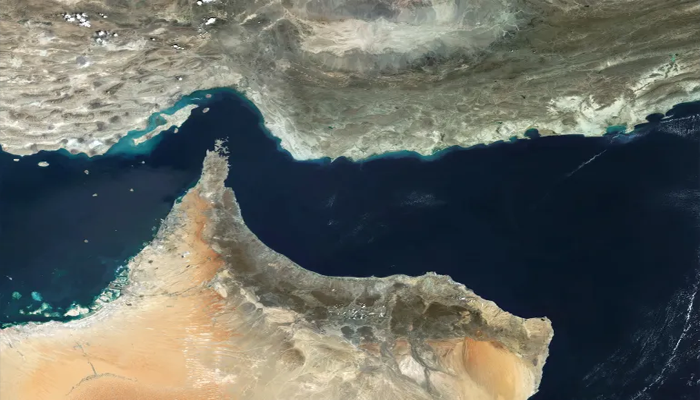
The Strait of Hormuz remains one of the world’s most critical energy chokepoints, handling a significant share of global oil transportation. Any disruption in the area has immediate effects on global markets, particularly crude oil prices and supply chains.
Tensions escalated further after statements from US President Donald Trump, who warned of strict action against vessels linked to Iran. The US military has confirmed that enforcement measures are underway, increasing fears of broader confrontation in the region.
International observers have urged restraint, warning that further escalation could destabilize global energy markets and heighten the risk of military conflict in the Middle East.