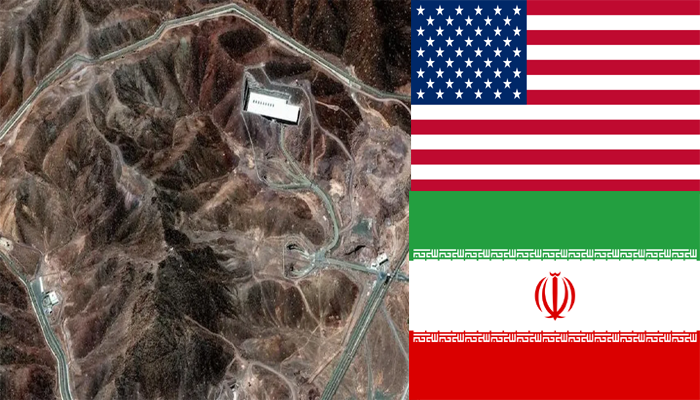
WASHINGTON: In a dramatic escalation of Middle East tensions, the United States launched a series of airstrikes targeting Iran’s key nuclear facilities late Saturday night, U.S. Eastern Time. The Pentagon confirmed that the strikes aimed at crippling Iran’s uranium enrichment capabilities and preventing further development of its suspected nuclear weapons program.
According to U.S. defense officials, precision-guided munitions struck sites in Natanz, Fordow, and Arak — locations long suspected to be central to Iran’s nuclear ambitions. Early assessments suggest heavy damage to infrastructure and disruption of operations at the facilities, though full intelligence reports are still being compiled.
President Kamala Harris addressed the nation shortly after the airstrikes, stating, “The United States took decisive action tonight to neutralize an imminent threat. Iran’s continued pursuit of nuclear weapons, despite diplomatic warnings, left us no choice. Our goal is not war, but security — for America, for our allies, and for the region.”
Iranian state media confirmed the attacks and reported multiple casualties, though exact figures remain unclear. The Iranian government swiftly condemned the strikes as an "act of war" and vowed retaliation. Supreme Leader Ayatollah Ali Khamenei released a statement calling the airstrikes a "cowardly aggression" and declared that the U.S. "will face severe consequences."
The move comes after months of rising hostility between Washington and Tehran. In recent weeks, U.S. intelligence indicated that Iran had accelerated its uranium enrichment and moved closer to weapons-grade levels, in defiance of the 2015 Joint Comprehensive Plan of Action (JCPOA), from which the U.S. withdrew in 2018 under President Trump. Attempts to revive the deal under the Harris administration had stalled amid mutual distrust.
The international response has been swift and mixed. Israel expressed full support for the strikes, with Prime Minister Benjamin Netanyahu calling them “a necessary and bold step to ensure the safety of the region.” In contrast, Russia and China condemned the U.S. action, urging restraint and warning of destabilization. The European Union has called for an emergency session of the UN Security Council, emphasizing the need for dialogue over military confrontation.
In Tehran, public sentiment appears polarized. While hardliners called for immediate military retaliation against U.S. interests in the region, reformists urged the government to avoid full-scale conflict and seek diplomatic redress.
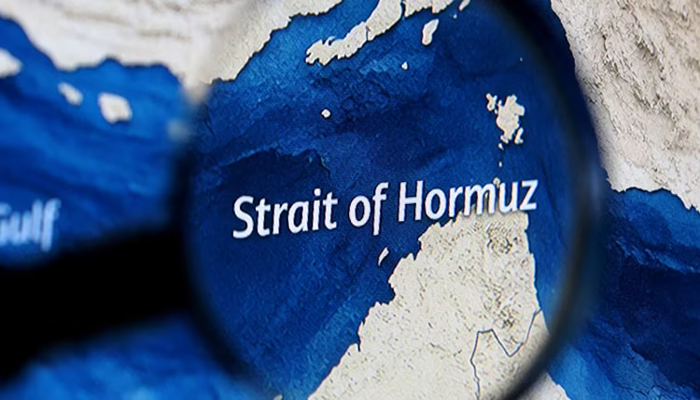
Oil prices surged in early Asian markets as fears of broader conflict gripped investors. The Strait of Hormuz, a critical artery for global oil shipments, saw increased naval activity, raising concerns of further disruption.
Military analysts warn that while the airstrikes may have set back Iran’s nuclear capabilities temporarily, they are unlikely to eliminate the program entirely. “This will likely fuel Iran’s resolve rather than deter it,” said Michael O’Hanlon of the Brookings Institution.
As tensions flare, the world watches anxiously. Whether this marks the beginning of a broader conflict or a high-stakes game of brinkmanship remains to be seen. What is certain is that the already volatile Middle East has entered a new and dangerous chapter.