ISLAMABAD: Pakistan’s economic growth is projected to remain at 3.7 percent in fiscal year 2026-27, while inflation is expected to rise to 8.3 percent, the Asian Development Bank (ADB) said in its latest economic outlook.
The ADB said the lingering effects of the Middle East conflict are likely to weigh on Pakistan’s economic activity, while higher energy and logistics costs and exchange-rate pressures could complicate the country’s recovery.
According to the Manila-based lender, sustained implementation of the International Monetary Fund (IMF) programme, improved investor confidence and Pakistan’s return to international capital markets have strengthened the economic outlook.
The ADB noted that sovereign credit rating upgrades in July and August 2026 also helped improve investor confidence and reduce financing costs.
Private investment is expected to remain a key driver of economic activity, building on an 8.6 percent real expansion recorded in FY2026. The bank said tariff reductions on industrial inputs and a lower corporate tax burden following a reduction in super tax could further improve the investment environment.
However, household spending is expected to remain subdued as higher global energy prices put pressure on real incomes.
The services sector is projected to remain resilient, supported by information technology exports, while manufacturing could face slower growth because of elevated energy costs. Construction is expected to benefit from budget incentives, reduced property transaction taxes and increased interest subsidies under the government’s housing scheme.
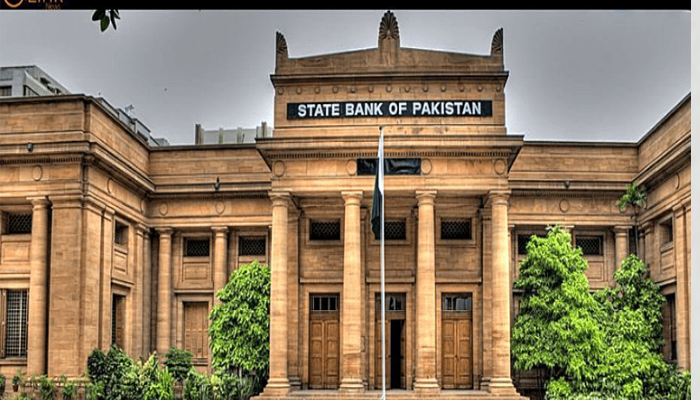
The ADB forecast inflation at 8.3 percent in FY2027, above the State Bank of Pakistan’s medium-term target range of 5-7 percent. It said domestic fuel and logistics costs could remain elevated amid disruptions to global energy supplies.
The bank also warned that higher fertiliser prices could increase agricultural input costs and food prices, while stronger imports could add pressure on the exchange rate.
Pakistan’s current account deficit is expected to widen as domestic demand recovers and imports increase. However, gross international reserves are projected to exceed $21 billion by the end of June 2027, providing around 3.3 months of import cover.
The ADB identified escalation of the Middle East conflict, tighter global financial conditions, revenue shortfalls and weather-related agricultural shocks among the key risks.
It said sustained IMF-backed reforms, energy-sector improvements, privatisation and expansion of IT and digital services could strengthen Pakistan’s medium-term growth prospects. The bank highlighted digital services as a potential source of export-led growth less exposed to commodity price volatility.