
CHINA: Rescue teams continued searching for survivors across southern China on Wednesday as the death toll from devastating China storms climbed to 17, while authorities prepared for the arrival of Super Typhoon Bavi, which is expected to threaten the country’s eastern coastline later this week.
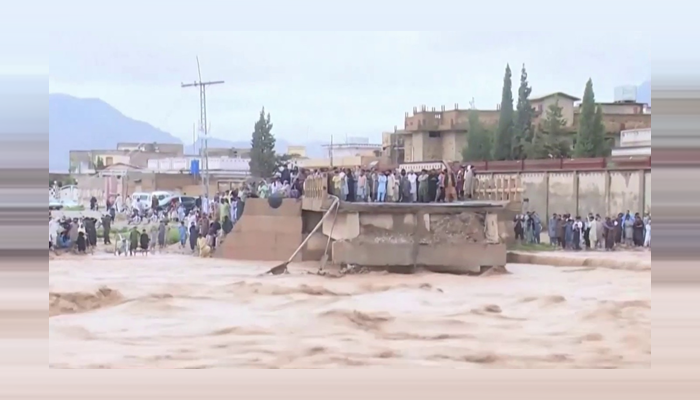
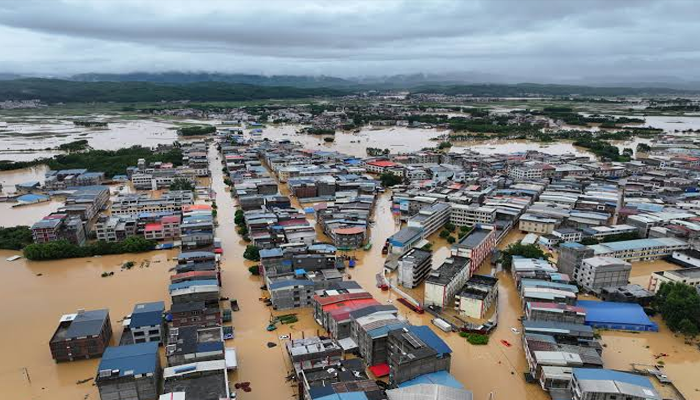
Heavy rainfall and severe flooding triggered by Typhoon Maysak have caused widespread destruction in the southern Guangxi region, where six people were killed and more than 130,000 residents were evacuated. Officials said overflowing rivers, flash floods and the collapse of a reservoir dam have left thousands of homes and farms damaged, prompting a large-scale China flood rescue operation.
According to Chinese authorities, at least 40 rivers exceeded their banks in Guangxi, damaging nearly 13,000 acres of farmland. Around 375,000 people have been affected by the flooding, while emergency response teams remain on high alert as water levels continue to rise.
In Liulan village, one of the worst-hit areas, floodwaters have receded, leaving behind thick layers of mud and widespread destruction. Rescue workers used drones to deliver food and emergency supplies to people stranded across flooded riverbanks, while volunteers joined military personnel in relief efforts.
Authorities said additional disaster relief, including food, raincoats and rubber boats, has been dispatched to the affected region. Officials also warned that reservoirs and embankments face increasing pressure due to continuous rainfall and dangerously high flood levels.
Meanwhile, central China's Hubei province reported 11 deaths and more than 330 injuries after powerful thunderstorms, strong winds and tornadoes swept through the region. One person remains missing, while thousands of homes were either damaged or destroyed.
Attention is now turning to Super Typhoon Bavi, which is forecast to approach eastern China between Saturday and Sunday. Meteorologists said the powerful storm could make landfall near the Zhejiang-Fujian border or move north along the coast, bringing heavy rain, destructive winds and dangerous storm surges.
Officials have urged residents in vulnerable coastal areas to prepare for possible evacuations as emergency services strengthen disaster response measures ahead of the storm.
Scientists warn that increasingly frequent and intense China storms are linked to climate change, with rising global temperatures contributing to more severe weather events. As Guangxi floods recovery efforts continue, authorities remain focused on rescue operations and protecting communities from the approaching threat posed by Super Typhoon Bavi.