What Wedding Dresses Look Like Around the World
A wedding dress is much more than a beautiful outfit—it reflects a country's history, culture, traditions, and values. While many people immediately think of the classic white gown popularized in Western weddings, bridal attire varies significantly across the globe. From richly embroidered saris in South Asia to vibrant kimonos in Japan and colorful ceremonial dresses in Africa, every culture has its own unique interpretation of bridal fashion.
As globalization influences modern weddings, many brides now combine traditional attire with contemporary styles, creating celebrations that honor both heritage and personal taste. Here's a closer look at some of the world's most iconic wedding dresses and the traditions behind them.
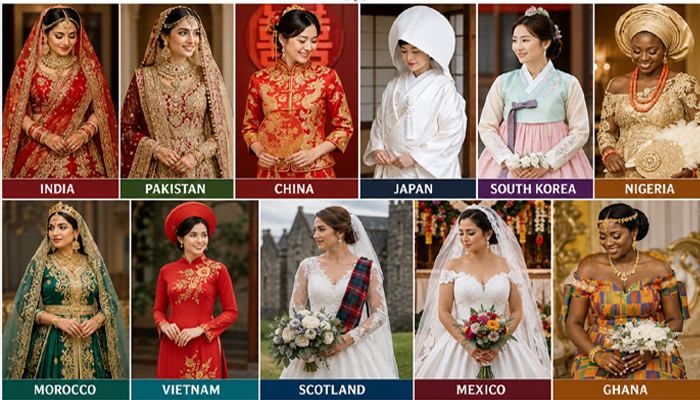
India: The Timeless Red Bridal Lehenga
In India, the traditional bridal outfit is often a red lehenga, sari, or regional wedding dress adorned with intricate embroidery, sequins, and gold threadwork. Red symbolizes prosperity, love, fertility, and good fortune, making it the preferred color for weddings across many communities.
Indian brides also wear elaborate jewelry, including necklaces, bangles, earrings, nose rings, and decorative headpieces. Henna designs, known as mehndi, decorate the bride's hands and feet before the ceremony, adding another layer of cultural significance.
Pakistan: Elegant Bridal Lehengas and Shararas
Pakistani bridal fashion is renowned for its luxurious craftsmanship. Brides traditionally wear heavily embroidered lehengas, shararas, or ghararas in shades of deep red, maroon, gold, or increasingly pastel colors for modern ceremonies.
Intricate zardozi embroidery, hand embellishments, and traditional jewelry complete the bridal look. Dupattas are carefully draped over the head, symbolizing grace and modesty. Contemporary Pakistani brides often combine traditional silhouettes with modern color palettes while preserving cultural traditions.
China: The Symbolism of Red
Chinese brides traditionally wear the qipao or cheongsam, usually in vibrant red, which symbolizes happiness, luck, and prosperity. Gold embroidery featuring dragons and phoenixes often decorates the dress, representing harmony and marital happiness.
Many modern Chinese weddings feature multiple outfit changes, with brides wearing both a traditional red dress during cultural ceremonies and a Western-style white gown for the reception.
Japan: Graceful Kimono Traditions
Japanese brides often begin their wedding ceremony wearing a white silk kimono known as a shiromuku, symbolizing purity and a fresh beginning. Later in the celebration, they may change into a colorful uchikake featuring elaborate embroidery of cranes, cherry blossoms, or seasonal flowers that symbolize happiness and longevity.
The careful layering of garments and detailed hairstyles make Japanese bridal attire one of the most elegant traditions in the world.
South Korea: The Hanbok
South Korean brides traditionally wear the hanbok, featuring a colorful jacket called the jeogori paired with a full, flowing skirt known as the chima. Bright colors symbolize joy, while embroidered patterns often represent prosperity and longevity.
Many couples now incorporate both Western wedding gowns and traditional hanbok during different parts of the wedding celebration.
Nigeria: Bold Colors and Royal Elegance
Nigerian weddings are celebrated with vibrant colors and luxurious fabrics. Brides commonly wear aso oke, a handwoven fabric crafted into elaborate gowns with matching headwraps called gele.
Jewelry made from coral beads, gold accessories, and embroidered fabrics create a regal appearance. Wedding colors often reflect family traditions and regional customs, making every celebration unique.
Morocco: Multiple Bridal Looks
Moroccan brides are known for wearing several elaborate outfits throughout their wedding celebrations, which can last for multiple days. Traditional caftans feature luxurious velvet, silk, and intricate embroidery with gold detailing.
Each outfit may represent different regions or family traditions, accompanied by ornate jewelry and decorative belts that enhance the bride's appearance.
Vietnam: The Ao Dai
Vietnamese brides traditionally wear the ao dai, a long silk tunic worn over matching trousers. Red remains a popular bridal color because it symbolizes happiness and prosperity.
Modern Vietnamese weddings frequently include both traditional ao dai ceremonies and Western-style white wedding dresses, reflecting a blend of heritage and contemporary fashion.
Scotland: Family Heritage on Display
Scottish brides often wear white wedding gowns similar to Western traditions, while the groom typically wears a kilt featuring his family's tartan pattern. Some brides incorporate tartan sashes or shawls into their attire to honor their Scottish heritage.
The combination of traditional tartan and elegant gowns creates a distinctive wedding style unique to Scotland.
Mexico: Tradition Meets Modern Style
Mexican brides generally wear white gowns inspired by European traditions but often include handmade lace, floral embroidery, or religious accessories that reflect local customs. Catholic wedding ceremonies may include symbolic items such as rosaries, veils, and ceremonial cords representing unity.
Regional influences also introduce colorful embroidery and handcrafted textiles into bridal fashion.
Ghana: Bright African Prints
Ghanaian wedding attire is celebrated for its striking colors and meaningful patterns. Brides wear dresses crafted from kente cloth, a handwoven textile featuring geometric designs that symbolize wisdom, unity, and prosperity.
Matching accessories, beaded jewelry, and coordinated family attire create visually stunning wedding ceremonies filled with cultural pride.
The Rise of Fusion Bridal Fashion
Today's brides increasingly embrace multicultural weddings by combining traditional garments with modern bridal styles. A bride may wear a white gown for the ceremony before changing into a traditional outfit for cultural rituals or the reception.
Designers worldwide are also incorporating traditional embroidery, textiles, and silhouettes into contemporary bridal collections, allowing brides to celebrate their heritage while expressing their personal style.
Social media and global fashion trends have further encouraged cultural exchange, making international bridal fashion more accessible than ever before.
Preserving Cultural Identity Through Bridal Fashion
Wedding dresses continue to evolve, but their deeper meaning remains unchanged. Across every culture, bridal attire symbolizes love, family, new beginnings, and shared traditions passed down through generations.
Whether it is a richly embroidered Pakistani lehenga, a graceful Japanese kimono, a vibrant Nigerian aso oke, or a timeless Western white gown, each wedding dress tells a unique story. These garments preserve cultural identity while celebrating one of life's most cherished milestones.
As weddings become increasingly diverse and multicultural, brides around the world are proving that there is no single definition of the perfect wedding dress. Instead, the beauty of bridal fashion lies in its remarkable diversity, reflecting the traditions, artistry, and values that make every culture unique.