
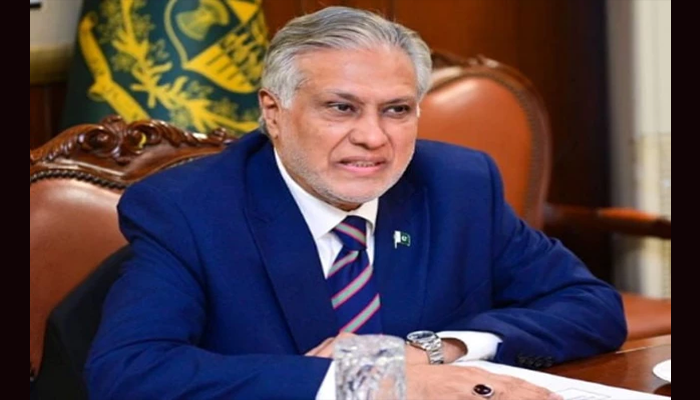
ISLAMABAD: Pakistan’s Deputy Prime Minister and Foreign Minister Ishaq Dar on Monday issued a strong warning to India, stating that New Delhi “cannot impose its will on Pakistan” and must “revisit its strategic choices.”
Addressing the Foundation Day ceremony of the Institute of Strategic Studies in Islamabad, Dar criticised India’s use of “false flag operations”—notably referencing the Pulwama attack—to justify aggression against Pakistan. He warned that such tactics undermine regional peace and security.
Rising Tensions
Dar’s comments follow heightened tensions between the two nuclear-armed neighbours after an April 22 attack in Pahalgam killed 26 people. India swiftly blamed Pakistan, which categorically denied any involvement.
In response, India took a series of escalatory steps, including:
-
Suspension of the Indus Waters Treaty (IWT)
-
Visa cancellations for Pakistani citizens
-
Closure of the Wagah-Attari border
-
Shutdown of Pakistan’s High Commission in New Delhi
Dar criticised these actions as “hostile” and warned that India cannot unilaterally suspend the IWT, which he said amounts to weaponising water against Pakistan. “The treaty is a binding agreement and must be respected,” he stated.
Kashmir, Regional Stability
On Kashmir, the Deputy Prime Minister reaffirmed Pakistan’s position that it remains an internationally recognised dispute requiring peaceful resolution in accordance with UN resolutions. He accused India of blatantly violating international law and reiterated Islamabad’s commitment to peaceful coexistence.
Iran-Israel Conflict, Gaza Crisis
Turning to wider regional issues, Dar welcomed the ceasefire between Iran and Israel, praising Iran’s restraint and legitimate position. He also called for a dialogue-based resolution of the Iran nuclear issue and condemned the ongoing humanitarian crisis in Gaza, denouncing Israel’s actions in the besieged enclave.
PM on Indus Waters Treaty
Separately, Prime Minister Shehbaz Sharif lauded the Permanent Court of Arbitration’s Supplemental Award on the Indus Waters Treaty as a “vindication” of Pakistan’s long-held stance. The court confirmed that India cannot suspend the treaty unilaterally, reaffirming the treaty’s legal binding status unless terminated by mutual agreement.
The prime minister praised Law Minister Azam Nazeer Tarar and Attorney General Mansoor Awan for their legal advocacy, adding that water security is crucial for Pakistan’s future.
As diplomatic friction intensifies, Islamabad has doubled down on its demands for regional stability, adherence to international agreements, and respect for sovereign rights.