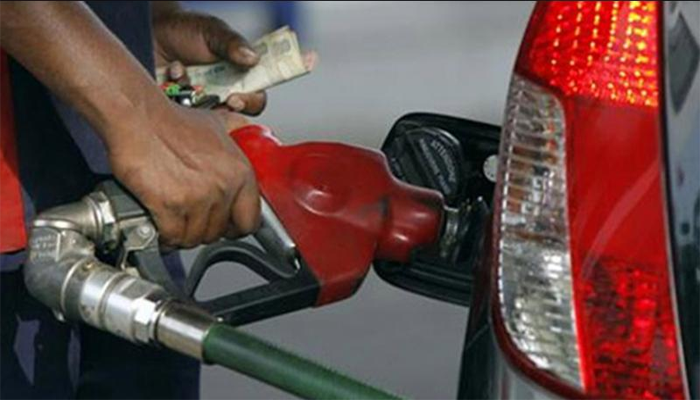
KARACHI: Former finance minister and Awam Pakistan Party Secretary-General Miftah Ismail has claimed that the actual landed cost of petrol in Pakistan is only Rs200 per litre, while consumers are paying an additional Rs140 in taxes and levies imposed by the government.
He made these remarks while criticizing the country’s petroleum pricing mechanism and the government’s taxation policies.
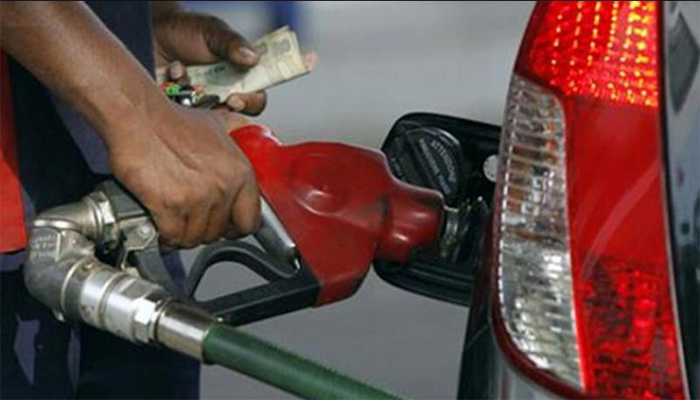
Speaking on the issue of rising fuel prices, Miftah Ismail said that petrol reaches Pakistani ports at a landed cost of approximately Rs200 per litre. However, he claimed that the government adds around Rs140 through various taxes before the fuel reaches consumers. According to him, this amount includes a petroleum levy of Rs105 per litre and a customs duty of Rs20, significantly increasing the final retail price.
The former finance minister argued that the taxation structure on petrol is unfair, particularly for middle-income and salaried citizens. He pointed out that while most goods in Pakistan are subject to an 18 percent General Sales Tax (GST), the effective tax burden on petrol reaches nearly 40 percent when levies and duties are included.
Miftah Ismail further criticized the government for failing to broaden the tax base by targeting affluent sectors such as large landowners, wealthy individuals, and the real estate industry. Instead, he said, the financial burden continues to fall on ordinary citizens who have no choice but to purchase fuel at heavily taxed prices.
Drawing a comparison, he noted that luxury vehicle buyers pay only the standard 18 percent sales tax, whereas motorists purchasing petrol effectively pay taxes ranging between Rs125 and Rs130 per litre. He described this as an unequal taxation policy that disproportionately affects lower and middle-income households.
The Awam Pakistan leader also criticized the government's recent handling of fuel supply concerns. He argued that authorities unnecessarily fueled fears of an oil shortage, leading to panic among consumers. According to him, any localized supply disruption could have been addressed through effective administrative measures without creating public anxiety.
Miftah Ismail also accused the government of consistently siding with powerful business groups over consumers. He cited the sugar industry as an example, alleging that prices are often manipulated through export and import decisions that benefit mill owners while consumers bear the higher costs.
On the energy sector, the former finance minister urged the government to stop approving new Independent Power Producer (IPP) projects and avoid issuing additional sovereign guarantees. He questioned the rationale behind plans to add another 14,000 megawatts of electricity generation capacity when Pakistan already has excess electricity that cannot be fully utilized, arguing that such projects would further increase the country's financial obligations.