

A person registered for sales tax is required to file monthly sales tax return under Section 26 of the Sales Tax Act, 1990 [the Act]. Second proviso to Section 26 empowers Federal Board of Revenue [FBR] to prescribe any other kind of return in addition to monthly return.
Under aforesaid provision, FBR notified Annual Sales Tax Return [Annual Return] under Rule 17 of Sales Tax Rules 2006 [the Rules] for a limited company on the prescribed format annexed to the Rules as STR-10 [Annex-A].
Annual return is required to be filed for a financial year (July to June) by 30th September of the following financial year with effect from July 2006
Annual return was introduced in July 2006 with enactment of the Rules. At that time, the idea of filing of annual return was borrowed from the United Kingdom [Newsclip published in Business Recorder on 30 May 2006].
Since its introduction, no change has been made in annual return which has made it a redundant compliance formality. It appears that the purpose of introduction of Annual Return is to reconcile with the monthly sales tax returns.
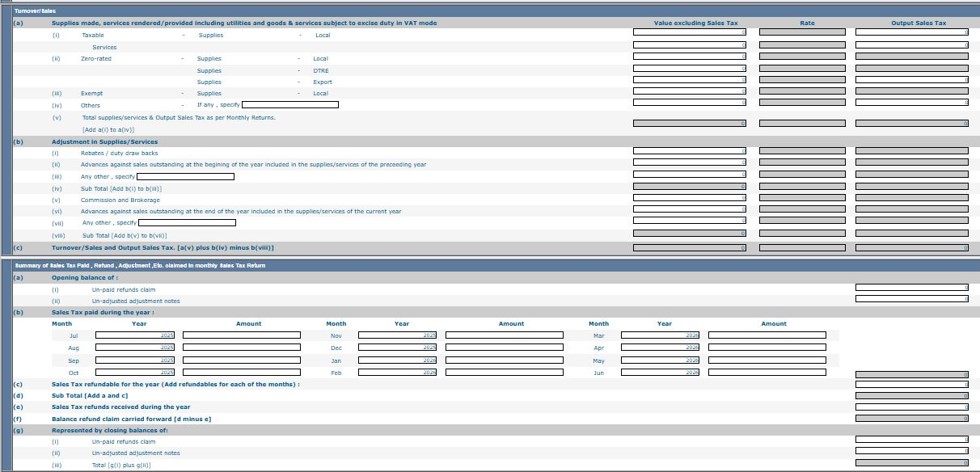
Existing Annual return is divided into two parts i.e. Turnover / Sales and Adjustment. In Part One, annual return requires information about the aggregate figures of supplies or services (taxable, exempt or zero rated) made during the financial year.
Besides, the requirement of aggregate figures of supplies or services, the annual return requires adjustment (addition or subtraction) in figures of supplies or services such as rebate, commission or advances. In Part Two, sales tax payment / refunds are required to be declared in the annual return.
No option is currently available on the IRIS Portal for filing the annual return. However, annual return can be filed on e.fbr.gov.pk [Annex-B-i to B-iii]
In this era of digitalization, there must not be requirement for filing annual return manually. The required information must be auto populated with values already declared in monthly returns. The purpose of filing annual return may also be required to redefine. If the Annual Return has become redundant, then the annual return may be designed to facilitate taxpayers through automation. Apparently, the need to file an Annual Return remains relevant.
Usefulness of filing annual return can be determined from one of the activities done by tax officer during the tax audit. Inter alia, tax officers compare the monthly sales tax returns with the Income Tax Return or the Financial Statements.
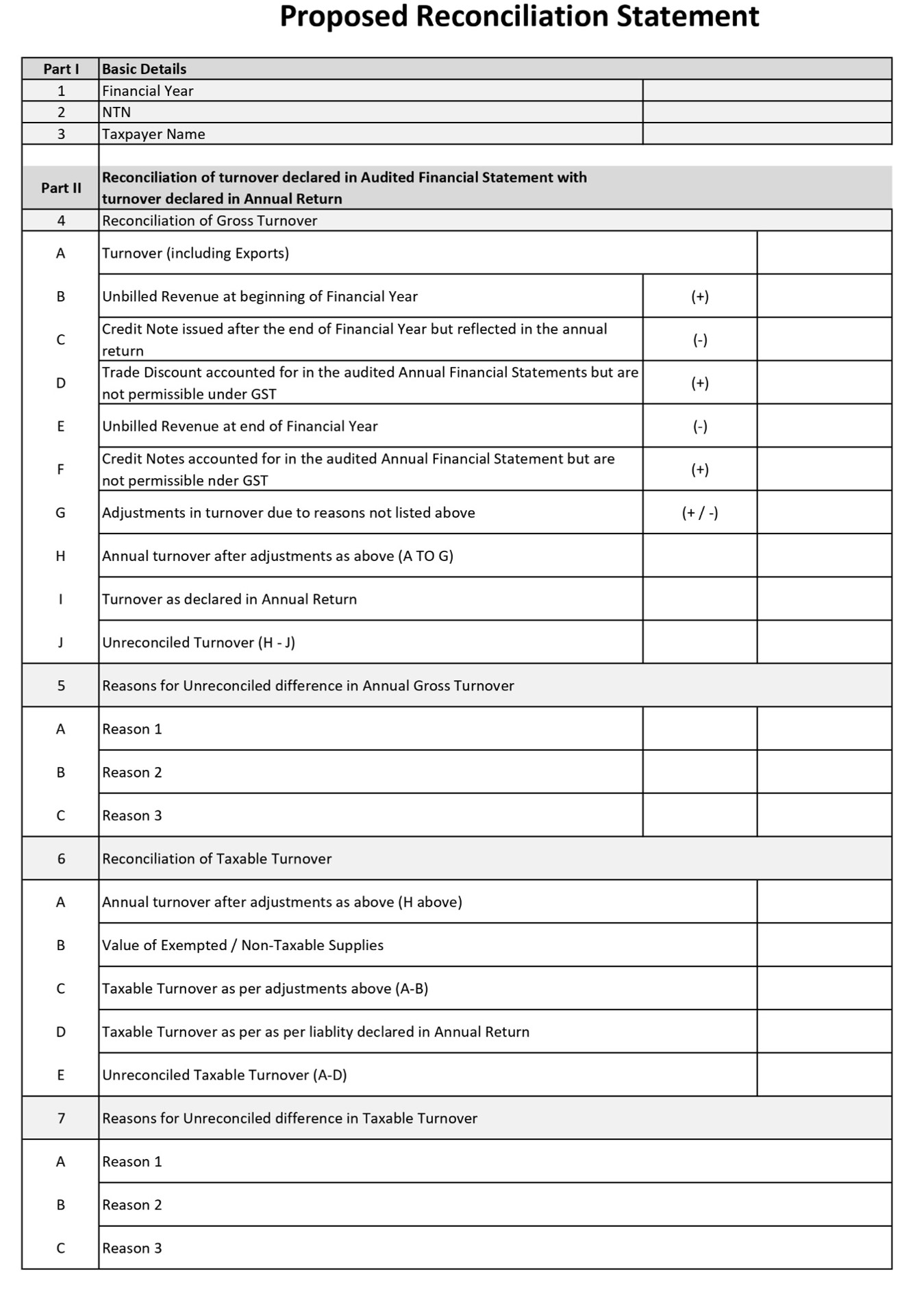
Based on such comparison, the allegation for short payment is framed against the taxpayer. To avoid incorrect allegation preliminary comparison between the annual return and financial statements, the structured and comprehensive reconciliation statement is required to be in place. It would result in saving time and cost of both tax authority and taxpayer.
Every company while finalizing its Financial Statements prepares the comparison between the monthly sales tax returns and Financial Statements. It is one of the initial requirements of external auditors.
After enactment provincial sales tax on services laws and phase-wise implementation of Single Sales Tax Return, the comprehensive annual return may add the value for tax authorities for those businesses operating across Pakistan and trading in goods or services, simultaneously.
 Pakistan can draw from the experience of India’s GST systems where the annual compliance framework combines annual reporting with reconciliation rather than merely reproducing monthly declarations.
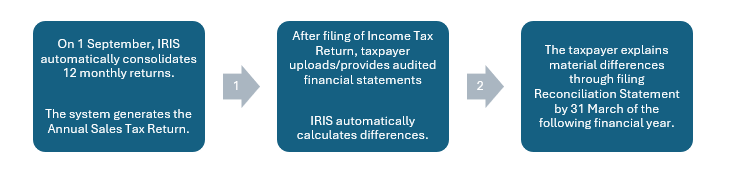
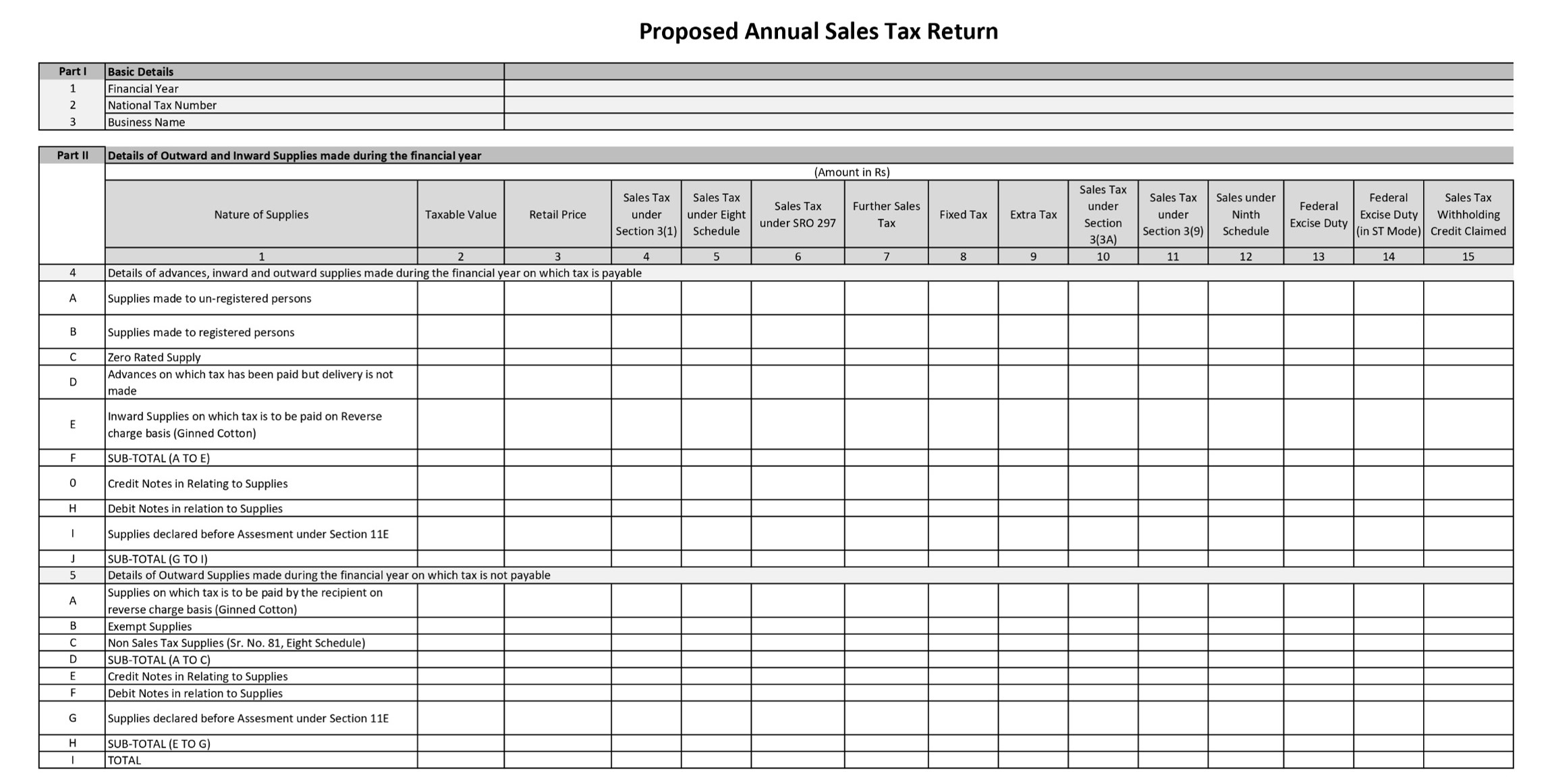
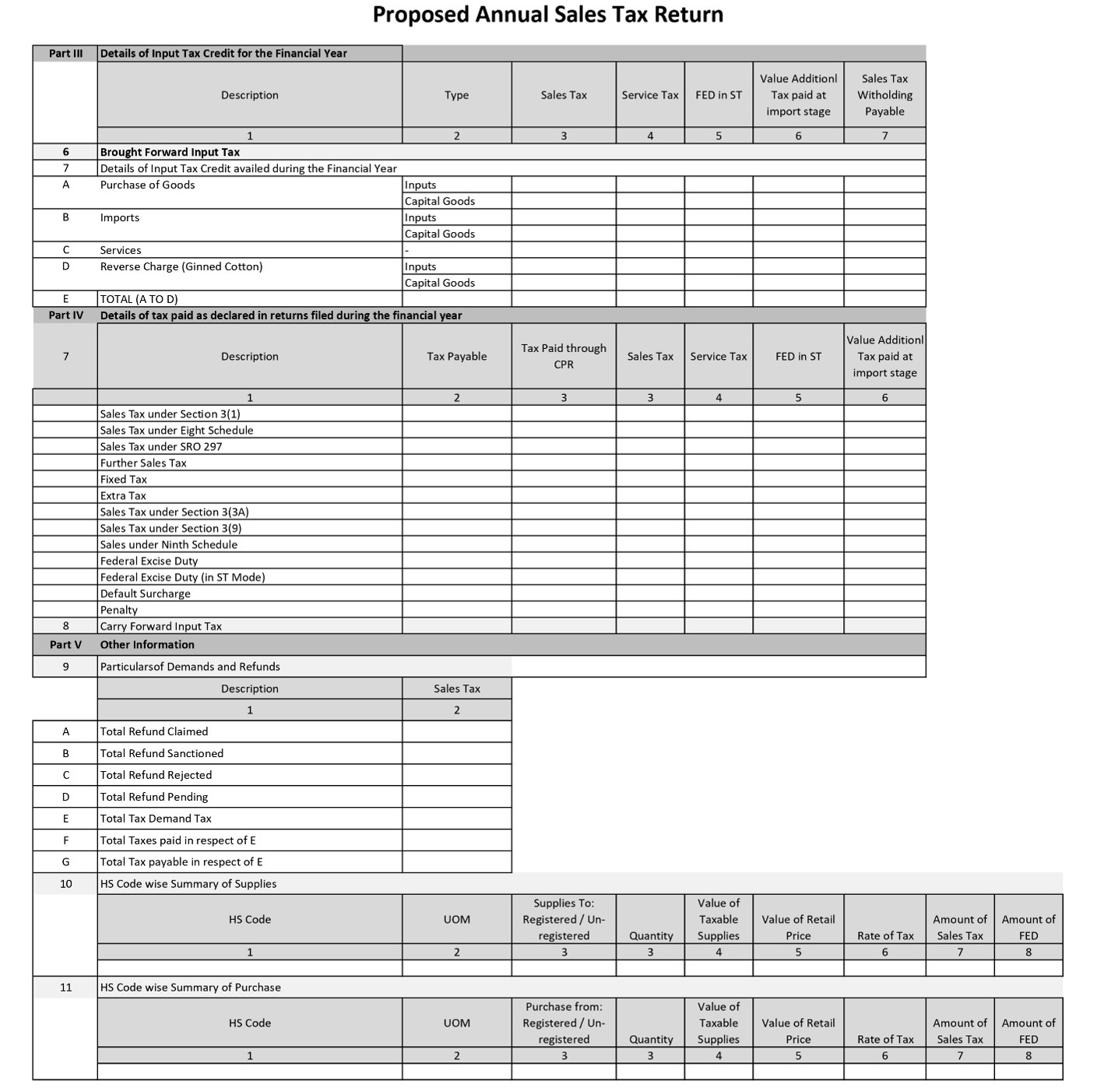
This article presents the proposed changes to the Annual Return (auto-populated intermediatory document) that would fulfil its core purpose of reconciliation between the monthly sales tax returns with Financial Statements. To achieve the purpose, The first step is to consolidate the monthly sales tax returns into annual sales tax return [Taxmann’s GST Annual Return & Reconciliation, 7th Edition, Year 2024] [Annex-Ci to Cii]. Then, the structured reconciliation [Annex D] between annual sales tax return and Financial Statements can be developed to achieve transparency and completeness of information.
The prototype Annual return looks bulky in appearance but after automatic integration with the monthly sales tax returns will not be time consuming exercise. However, the requirement of reconciliation looks as additional compliance burden but it also prepared and taken into account during the preparation of Financial Statements.
In first phase, Federal Board of Revenue may continue the present format by auto- integration with the monthly sales tax returns and shift to IRIS Portal.
In second phase, the FBR, after having consultation with stakeholders, introduce changes in Annual return. In last phase, FBR may consider launching Reconciliation Return between Annual return and Financial Statements.
Benefits to tax authority includes better audit selection, reduced manual scrutiny, better data analytics, improved compliance monitoring, and reduction in duplicate compliance. The filing of Annual Return & Reconciliation Statement may be implemented as follows:
Annex-A
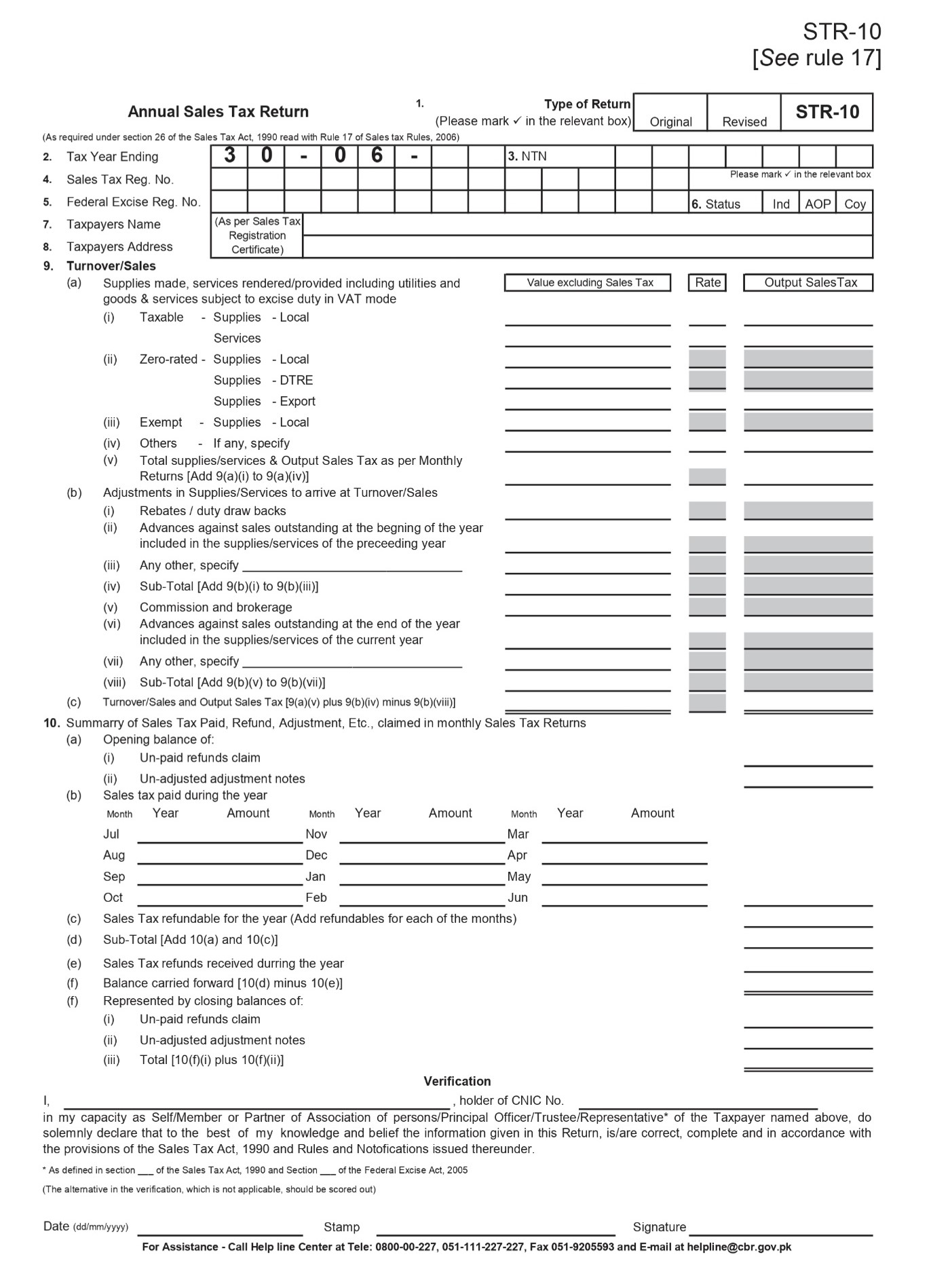
Annex-B-i
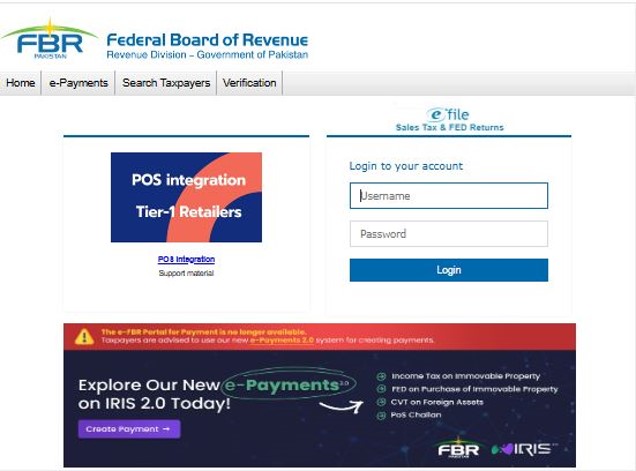
Annex-B-ii
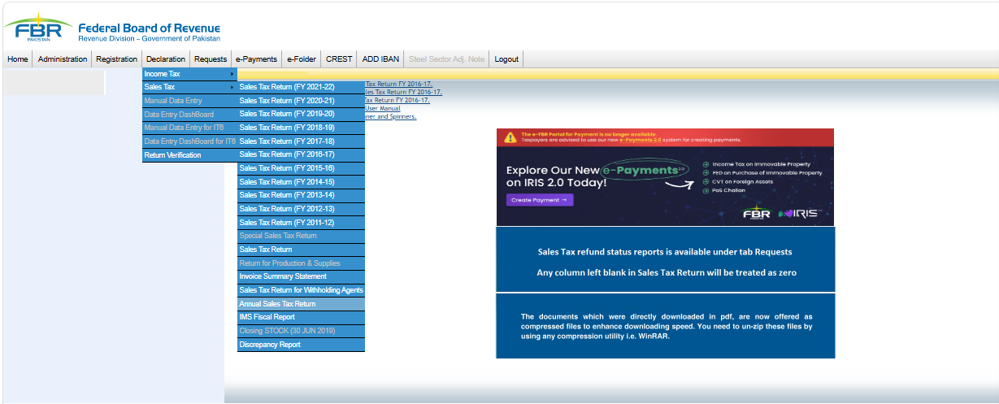
Annex-B-iii
Annex-C-i
Annex-C-ii
Annex D-i
Annex D-ii
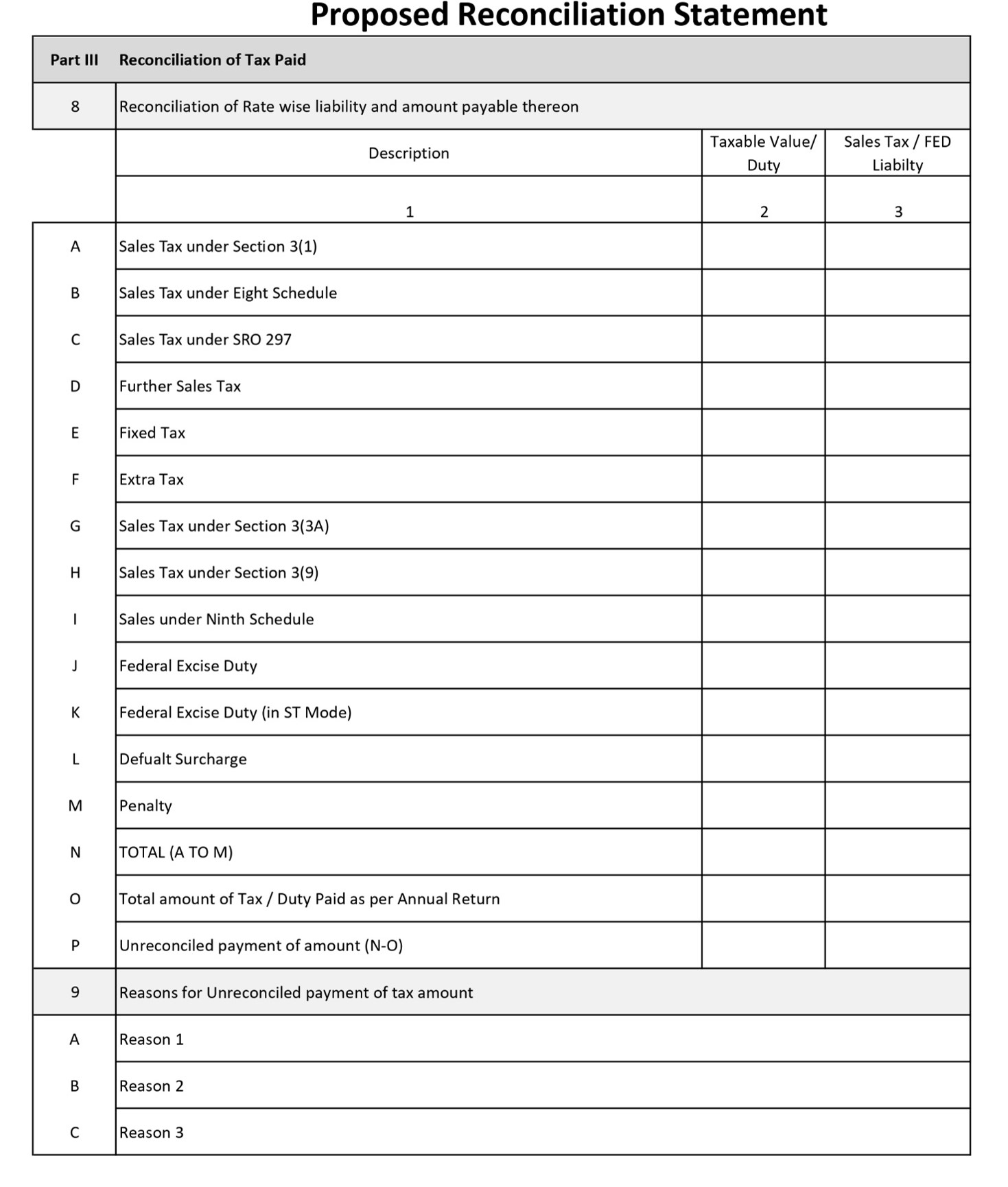
Annex D-iii
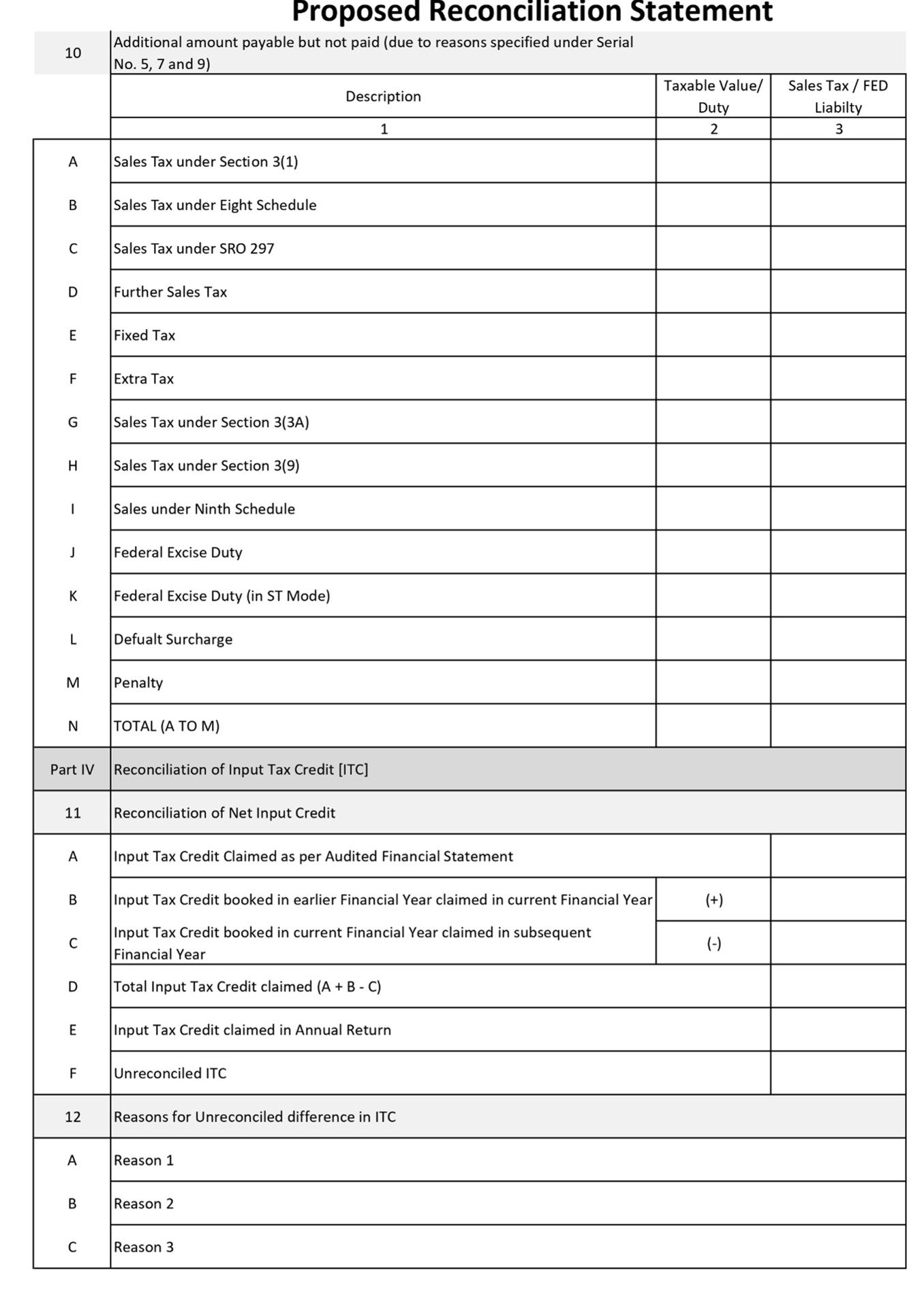
Annex D-iv
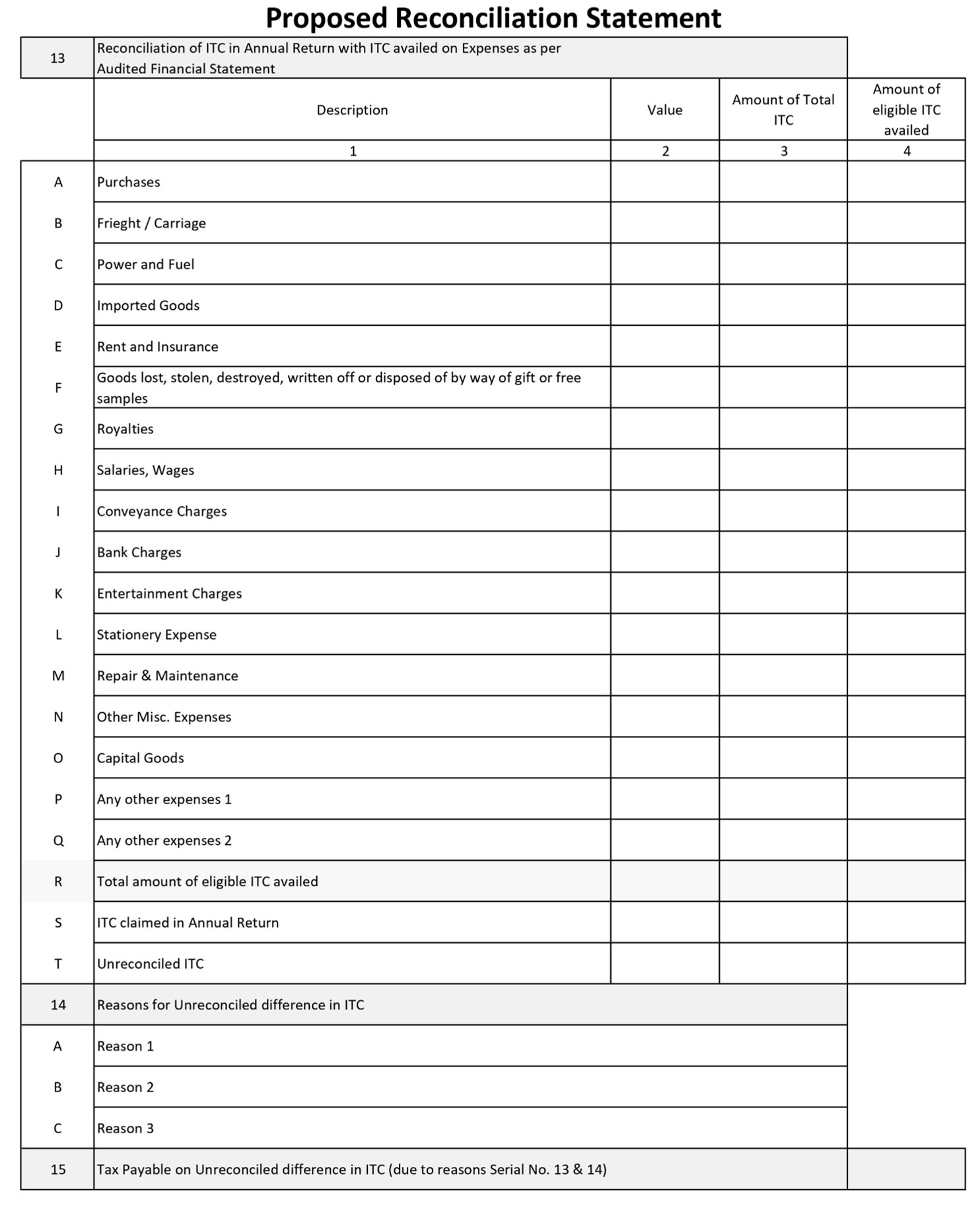
The writer is LLB, MBA.