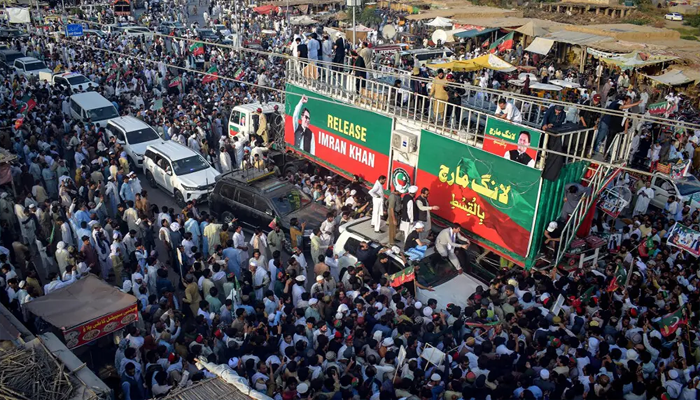
In early October 2025, Tehreek-e-Labbaik Pakistan (TLP) organised a theatrical movement, dubbed the Labbaik Ya Aqsa Million March, to demonstrate its support of Palestinians and to pressure the government of Pakistan not to recognise Israel.
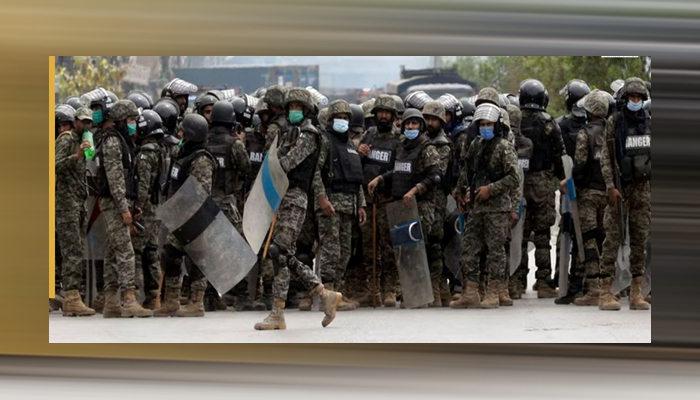
Started in Lahore, the protest that initially was to head to Islamabad soon turned out to be no more than a peaceful demonstration, but turned into a tense national stand-off. The police acted promptly. Section 144 (which prohibits the gathering of people) was declared in Rawalpindi and Islamabad, and along major paths, before the march reached the city of Islamabad. Main roads were blocked by containers and concrete barriers, mobile internet was shut down in major cities, and big groups of police and Rangers were deployed to stop access to the Red Zone. Tension was high in the air with the TLP threatening not to withdraw until they got what they wanted.
The first clashes had occurred in Lahore when police had tried to arrest a leader of the TLP, Saad Hussain Rizvi, at the party headquarters. The demonstrators threw stones, the police shot tear gas, and taser attacks ensued. The situation went out of control soon. The TLP took up strongholds at Muridke, approximately 100 kilometres away from the capital of Islamabad and declared to keep on marching towards the capital. During the next few days, the level of violent conflicts increased. Five individuals, one of them a senior police officer (SHO), were killed, and many more were injured, according to the police reports. The TLP, however, said 11 of its workers had been martyred, and said police had fired live ammunition. Over 100 individuals were reported to have been arrested in Lahore alone, and 112 police officers were reported as having been injured. The TLP refuted these claims, stating that they had arrested more than 700 people throughout the country, but this figure could not be verified.
The conflict grew in Muridke. The police filed an anti-terrorism act case against TLP leaders and activists on the charges of murder, rioting, resistance to arrest, and destruction of property. The FIR also said that an SHO of Sheikhupura was shot dead in the face-off. There were later reports that TLP chief Saad Rizvi had been shot dead or wounded in the demonstrations, although different reports made his status unclear. More than 150 injured people were reported in hospitals, some of them were shot, and some were in critical condition and were taken to Lahore to be treated.
In a few days, over 100 members of the TLP were taken to the Anti-Terrorism Court and sentenced to 11 days of physical custody on suspicion of assaulting the police and destroying property. The Punjab government openly criticised the actions of TLP by terming them as terrorist acts and attacks on the state. Police underlined that ripping apart the property of the general population and attacking policemen could not be regarded as a peaceful protest. To the masses, this scenario created a lot of turmoil. Schools in Lahore and Rawalpindi, and Islamabad, were shut, public transport halted, and major roads blocked. Thousands of commuters were left hanging, ambulances were blocked, and whole neighbourhoods were locked down. Business operations grounded in Lahore alone, which has more than 14 million inhabitants, were grounded, and the people were anxious and frustrated.
The protests by the TLP are not new in Pakistani politics. The group, which has a hard-line religious position, was banned in 2021 due to violent demonstrations but reinstated. It finds a lot of backing among conservative religious groups, which push the implementation of the blasphemy laws to the extreme. TPL has, over the years, been able to mobilise large crowds in just a matter of hours, and this has on several occasions brought cities to their knees. Its combative ways, however, have continually questioned the state authority and the safety of the people. This new standoff is one of the most serious challenges that the government has had to deal with in terms of freedom of expression versus the need to uphold law and order. Enforcing anti-terrorism laws and aggressive crackdowns are indicators that the state would like to establish dominance; however, there is a question of human rights and the employment of excessive force. According to analysts, such conflicts might remain unstable in the country unless dialogue and restraint are observed.
In the case of Pakistan, it should be in the form of upholding law and order without oppressing the genuine voices. The government should make sure that justice is delivered in a way of due process, but not general crackdowns and organisations such as TLP should make use of peaceful and legal means to air their grievances. Pakistan can only avoid the further growth of such conflicts by being responsible in the process of negotiations.
From Muridke to Islamabad, Pakistan’s streets are echoing with questions — and the answers may define the nation’s future.