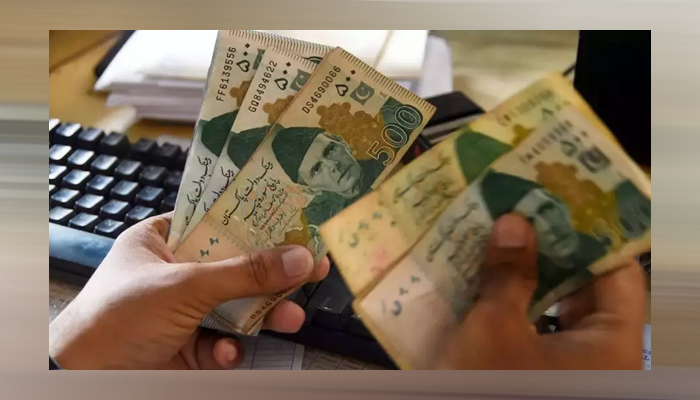
The news appears promising at the surface level because the real effective exchange rate (REER) of Pakistan increased to 101.73 in September 2025, according to the State Bank of Pakistan (SBP).
This may come as a success story to most people, an indication that the rupee is strengthening. However, what lurks beneath the water is more of a wake-up call than a victory. A higher REER implies that Pakistan is losing competitiveness in the world, as its exports are too costly for foreign markets to purchase, and exporters are under tremendous pressure. The REER is a measure of the costliness of the goods in a country against those of its trading partners.
A value of 100 is neutral, and more than that signifies that the currency is overvalued. The REER of Pakistan is currently 101.73, which implies that the rupee has been made more expensive than the currencies of key commodity trading partners such as China, the U.S. and the European Union. When this occurs, Pakistani products, be it textiles or rice, and surgical devices, are more expensive in the international markets and foreign consumers opt to buy from other, less expensive sources like Bangladesh, India or Vietnam.
The effect can already be seen. Data released by the Pakistan Bureau of Statistics indicated that the textile exports went down to 1.5 billion in August to 1.3 billion in September 2025, a decrease of 13 per cent in a month. This is frightening to an industry that is supplying almost 60 per cent of the total exports that are made in the country, and which provides millions of people with employment opportunities. According to the textile exporters, their orders are declining in Europe and North America, and global customers are willing to find alternatives to reduced prices.
There are a number of reasons that led to this increase in the REER. The recent stability of the rupee is one of the largest. The SBP became tough on currency monitoring and put an end to illegal dollar trading after months of heavy depreciation, and this boosted the strength of the rupee. Nevertheless, although this action alleviated inflation and import pressures in the short run, it also made the Pakistani products less competitive in the foreign markets.
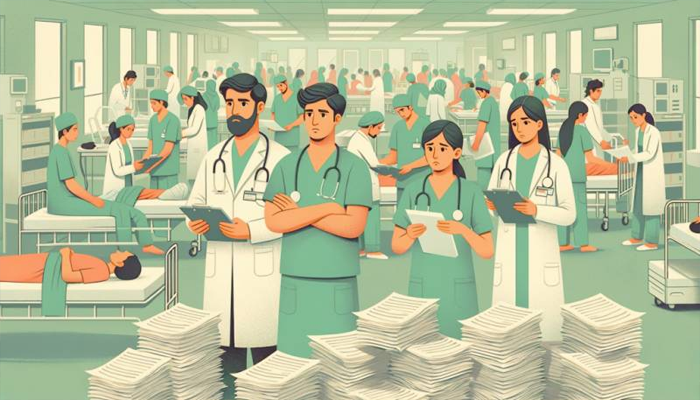
Meanwhile, the cost of production in the country has increased drastically. The escalating energy tariffs and expensive fuel prices, coupled with high importation duties on raw materials, have reduced the manufacturing costs. According to the All Pakistan Textile Mills Association (APTMA), out of the total number of units, smaller textile mills, it was indicated that more than 40 per cent of the textile mills have either down-sized their activities or shut down momentarily due to unsustainable costs. Such closures are jeopardising employment and foreign exchange earnings at a time when Pakistan can least afford economic downfalls. The other important aspect is inflation, which is persistently high.
The rate of inflation in Pakistan was 11.2 per cent in September of 2025, which is one of the highest rates in South Asia. Although the rupee may look stable, domestic inflation in high domestic inflation would cause local goods to be even more costly than those manufactured in low-inflation economies. This silently increases the REER at the expense of the exporters even when the nominal exchange rate does not vary significantly.
The results are severe. Foreign reserves in Pakistan amount to about 9 billion dollars, which can only sustain not more than two months of imports.
In the meantime, the deficit in trade is becoming increasingly larger, with imports dominating exports. It would reduce the export industry and reduce foreign earnings, which makes the country more reliant on loans and aid, especially from the International Monetary Fund (IMF).
To correct this, the specialists propose that Pakistan should leave the exchange rate to a natural adjustment rather than maintaining the artificially high level. A slightly weak rupee will imply that exports become cheaper, increasing demand in the foreign market. In addition, specific tax rebates, energy subsidies and a better refund system for exporters would help in lightening the financial load. Exporters would also spend less time and money to save time by simplifying the customs procedures and enhancing logistics in ports. The government has unveiled the Trade and Industrial Policy Framework (2025–2030), whose theme is diversification and value addition. In this plan, it is promoted to switch raw materials such as cotton and rice to more valuable products such as branded clothes, processed foods, and technology-related products. These structural changes, however, will be time-consuming before they bear fruit, and exporters badly need a sense of relief in the short run to sustain the current pressures.