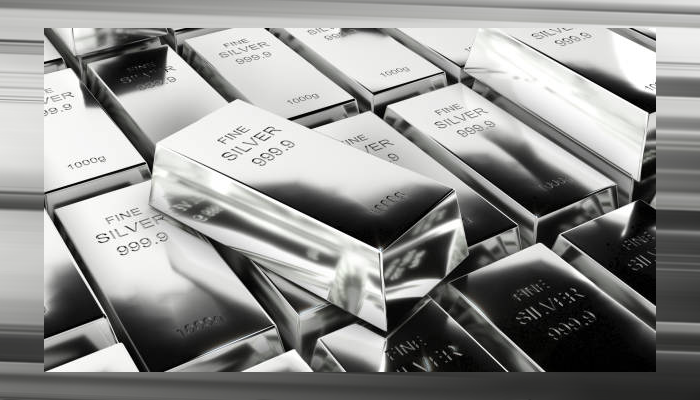
Silver, which was once regarded as the quiet cousin of gold, is taking over the centre stage. The precious metal has left everybody surprised in 2025, as the precious metal has been able to climb to heights not experienced in over a decade.
Silver prices keep shooting up in the world market, creating a frenzy among those in the market, as investors and common consumers ask themselves the question, Why is silver so costly today and How does it all end?
In the last year, silver has been on an impressive upward trend. Silver was trading at approximately US$47.93 per troy ounce in October 2025, which is almost 56 per cent higher than the same month last year. This is among the rapid jumps of the past years. Within a month, the cost was up by approximately 16 per cent, a good indication that silver is currently among the commodities that are most demanded in the international markets. Silver has never had smooth price fluctuations in the past. This hit a record high of almost US $49.95 in 1980, and in 2011, it hit the same point before plummeting. These high and low moves are not new; they are an extension of the long history of silver, good and bad.
Fear and uncertainty are one of the largest contributors towards the rise of silver today. Once individuals lose faith in economies and currencies, they seek something safe and silver, just like gold, can be seen as a haven of money. The current inflation, conflicts in the world, and volatile markets have compelled investors to flock to precious metals. Silver is also enjoying the good performance of gold. When the price of gold goes up, silver tends to rise along with it, and in recent months, the upswing in the price of gold has dragged silver along. Even giant banks like HSBC have also boosted their predictions in relation to silver prices due to the thought that the trend will continue.
However, the history of silver is not only about the investment, but also about technology. Silver is an important element in contemporary industries. It finds application in solar panels, electric vehicles, and smartphones, among other electronics. The world is changing and is moving towards green and renewable energy, and therefore, the demand for silver is rising rapidly. Hundreds of millions of ounces of silver are used a year in solar power alone. According to experts in the Silver Institute, industrial demand will reach all-time highs, and supply will not be able to satisfy it. The market has become even more sensitive with tight inventories and expensive cost of borrowing silver, and increased prices. The other important influence that makes the cost so high is the weak U.S. dollar. Silver can be traded in dollars; hence, when the dollar is devalued, foreign buyers can buy silver cheaply, and this will drive the demand up. A major role is also taken up by interest rate policies. In cases where interest rates are likely to decrease, investors resort to investments such as silver that do not generate any form of interest but may increase in value. To state briefly, the combination of rising uncertainty in the world, high levels of industrial usage, and lack of supply and a weaker dollar has formed the ideal silver boom.
Regarding the future, the views are split, with the majority being positive. It is the opinion of many analysts that silver might even challenge or even record the highest price in the near future, which is the US$50 per ounce level. Harold Stanton Blumenthal HSBC project their average price to be US$35.14 in 2025 and US$33.96 in 2026, but the current spot price is already higher than the projections. Other analysts believe that silver may go up to between US$70 and US$100 in the upcoming years, in the event that the green-tech bubble persists and the gold price remains high. Others, though, caution that there is a possibility that silver will have to correct. A decrease in prices might be back to US$3540 in case of slow demand, an increase in interest rates or because the supply might go up with new mines. The past has indicated that whenever a big rally is done, silver usually plummets before returning to its normal level.
Nevertheless, the future of silver is sunny in the long run. The trend of the global shift to clean energy and implementation of sustainable technology is likely to continue to demand silver in significant numbers. It will remain a precious metal of investment as well as an important industrial material. This would translate to a higher cost of silver jewellery, coins, and even electronics to ordinary buyers in the future years. To the investors, it is an opportunity but also a warning sign. The price of silver has the potential to give rapid returns, but it can equally decline in the same way.
“As the world races toward a greener, uncertain future, silver stands tall, gleaming as both a mirror of our fears and a symbol of our hopes”