

By: Dr. Syed Kashan Ali
The Quiet Reality We’re Still Not Talking About Enough
It’s tempting to think of COVID-19 as yesterday’s problem. For most adults, the pandemic has faded into a blur of lockdown memories, vaccine cards and canceled vacations. But for children, especially those under 12, the virus continues to pose a real and evolving challenge. And for parents, the question remains: How much worry is too much, and how much caution is not enough?
What makes COVID-19 in children so emotionally charged isn’t just the science. It’s the uncertainty. From playground conversations to pediatrician visits, the narrative is constantly shifting. And while the noise has quieted since the height of the pandemic, the need for clear, science-backed guidance has never been louder.
What Pediatricians Want Parents to Know
Let’s get one thing straight: yes, children still get COVID-19.
It might not dominate headlines anymore, but kids are still testing positive across schools, daycares and sports leagues. The good news? Most cases are mild—fever, cough, sore throat, body aches. The rare but real concern is MIS-C, a post-viral inflammatory condition that can affect multiple organs. It’s not common, but it’s serious.
COVID-19 is mild for many healthy children, though some may still require hospitalization or develop complications. But for children with asthma, heart disease or weakened immune systems, the risks are steeper. According to pediatric infectious disease experts, these children are more likely to develop complications and less likely to bounce back as quickly.
The Vaccine Conversation Isn't Over
If you’re a parent wondering, “Should my child still get the COVID-19 vaccine?” In many settings, vaccination is strongly recommended. Parents should consult their child’s pediatrician to assess benefits and risks in their specific context.
Vaccination remains the most effective shield against severe illness, hospitalization and lingering effects. Side effects like a sore arm or low-grade fever are temporary and expected. Vaccination provides significant protection, especially in reducing severe disease, but booster doses or updated vaccines may be required over time., especially in a classroom or daycare setting where the virus can spread quickly.
Yet the conversation around vaccines has cooled, worryingly so. There’s a false sense of safety, especially in communities with low case counts. But COVID-19 hasn’t disappeared. It has adapted. And so should we.
The Lingering Shadows: What About Long COVID?
While we often talk about the acute phase of COVID, long COVID in children is a growing concern. Pediatricians report that some kids, though a small percentage, experience symptoms like fatigue, brain fog or mood changes weeks or months after infection.
It’s easy to dismiss a tired child or a moody pre-teen as simply being “off,” but parents should watch for patterns that persist beyond normal recovery timelines. If your child seems to be struggling physically or emotionally after recovering from COVID-19, don’t wait. Consult a pediatrician. The earlier we intervene, the better we can support a full recovery.
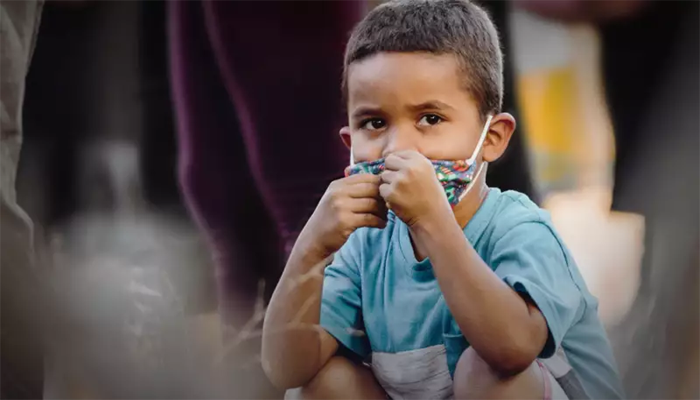
Are Masks Still Relevant?
This question keeps resurfacing, especially during cold and flu season.
The simple answer: Masks can be useful in certain high-risk settings, but their benefit depends on mask quality, fit, and community transmission levels. Decisions should consider context and up-to-date health guidance.
Masks are not about fear. They’re about respecting health, yours and others’.
Building Everyday Resilience at Home
In truth, Alongside vaccination and preventive measures, maintaining good general health (sleep, nutrition, hygiene) supports resilience. That means:
- Prioritizing handwashing, especially before meals and after outings
- Keeping your child home when they’re sick
- Encouraging regular sleep, balanced meals and active outdoor play
- Staying up to date on all vaccinations, not just COVID-19
Health isn’t just built in doctor’s offices. It’s shaped in daily routines, dinner tables and playgrounds.
So, Should Parents Be Worried?
Here’s the reality: panic serves no one, but neither does denial.
Keep the sentiment, but perhaps moderate wording: “While most symptoms are benign, for children with risk factors or persistent symptoms, parents should remain alert and consult a pediatrician when needed. But there is every reason to stay informed, stay proactive and stay engaged with your child’s health. Rely on trusted sources, not viral Facebook threads or whispered advice in the school pickup line.
And most importantly, maintain a relationship with your child’s pediatrician. They are your ally in navigating this new normal.
Final Thought:
The instinct to move on is human. But parenting doesn’t allow us the luxury of detachment. What we normalize today becomes the foundation of how children care for themselves tomorrow.
COVID may no longer dominate the headlines, but for many families, it still shapes the undercurrent of daily life. The job now is not to panic—but to persist. With information. With empathy. And with the clarity to know that caring for our kids means staying curious about what’s happening in their world, even when the rest of us are tired of hearing about it.
“Children are not just smaller adults. Their risks, their responses, and their realities are different. And they deserve our continued attention.”
Frequently Asked Questions for Parents, Answered by Pediatricians
Q: Do children still get COVID-19?
Yes. While most cases in children are mild, COVID-19 can still cause fever, cough, sore throat and body aches. In rare cases, it can lead to pneumonia or a serious condition called MIS-C (Multisystem Inflammatory Syndrome in Children).
Q: Is COVID-19 dangerous for healthy kids?
For most healthy children, the illness is mild. However, children with asthma, heart disease or weak immunity are at higher risk of complications.
Q: Should my child get the COVID-19 vaccine?
Yes. Vaccines reduce the risk of severe illness, hospitalization and long-term complications. Side effects are usually mild (sore arm, low fever) and temporary. The benefits strongly outweigh the risks.
Q: What is “long COVID” in children?
Some children experience lingering problems after recovery, such as tiredness, headaches, poor concentration or mood changes. If your child has ongoing symptoms, consult a doctor.
Q: Do children still need to wear masks?
Masks are useful in crowded or poorly ventilated places, especially during seasonal surges. For everyday outdoor play, masks are not needed.
Q: How can I protect my child at home and school?
- Encourage frequent handwashing
- Keep them home when sick
- Ensure good sleep, a healthy diet and daily outdoor play to strengthen immunity
- Stay updated on vaccination schedules
Q: Should I be worried as a parent?
There is no need for panic, but continued caution is wise. Stay informed through reliable sources and consult your child’s pediatrician for guidance.