ISLAMABAD: Pakistan on Monday issued a strong demarche to the Afghan Taliban authorities following the recent terrorist attack on a Pakistan Rangers camp in Karachi, saying the involvement of Afghan nationals in the incident raises serious security concerns.
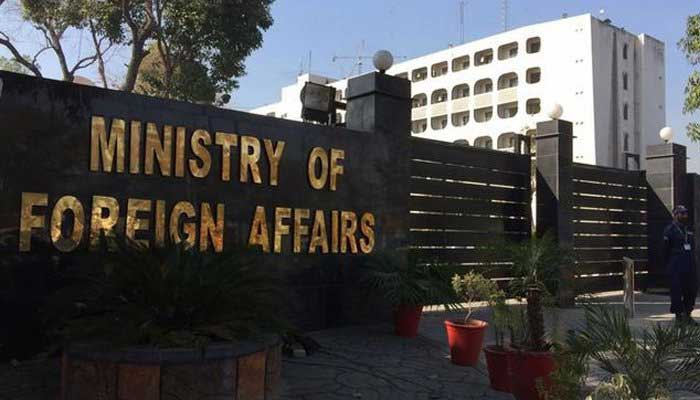
According to Foreign Office spokesperson Tahir Andrabi, the Afghan chargé d’affaires was summoned to the Ministry of Foreign Affairs in Islamabad, where Pakistan lodged a formal protest over the Karachi terror attack. At the same time, Pakistan’s Ambassador to Afghanistan, Ubaid-ur-Rehman Nizamani, delivered a similar demarche to the Afghan Ministry of Foreign Affairs in Kabul.
The Foreign Office stated that the protest was based on evidence indicating that Afghan nationals, including one suspect captured alive, participated in the attack. It added that the incident reinforces Pakistan’s longstanding concerns that Afghan soil and Afghan nationals are being used by terrorist groups to plan and carry out attacks inside Pakistan.
The diplomatic move comes a day after terrorists targeted a Pakistan Rangers Sindh camp in Karachi’s Gulistan-e-Johar area. Security forces killed three attackers during the operation, while one injured Afghan national was arrested. The assault resulted in the martyrdom of three Rangers personnel, while four others were injured.
In a confessional video released after his arrest, the suspect identified himself as Usman Ali from Jalalabad, Afghanistan. He claimed he entered Pakistan seven days before the attack along with three accomplices—Abdul Hadi, Janan, and Umar Farooq. According to his statement, Abdul Hadi was killed during the attack, while Janan threw a grenade at the Rangers camp.
The suspect further alleged that he was affiliated with Jamaat-ul-Ahrar and claimed the group received training in Afghanistan. He also stated that the attackers assembled their own suicide vests after receiving instructions from trainers across the border. These claims have not been independently verified.
Meanwhile, Pakistan’s security forces launched intelligence-based operations and precision strikes against terrorist camps and hideouts in the Pakistan-Afghanistan border region, killing 29 militants. Authorities said the operations were part of ongoing efforts to eliminate terrorist networks and strengthen national security following the Karachi attack.