
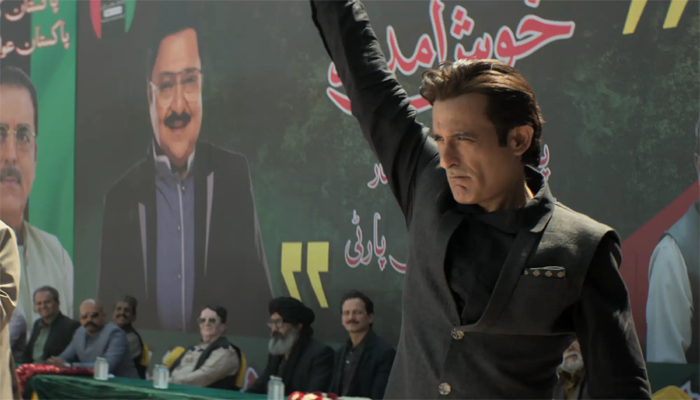
A legal application has been filed in a district court in Karachi seeking the registration of a case against the director, producer, and other crew members of the Indian movie *Dhurandhar* for allegedly defaming the Pakistan Peoples Party (PPP). The applicant, Mohammad Amir, claimed that the film’s trailer and promotional material portrayed the PPP in a negative light, labeling the party as sympathetic to terrorists and misrepresenting the Lyari area as a “terrorist war zone.”
The application was submitted under Section 22-A & B of the Criminal Procedure Code before the District and Sessions Court (South), naming the film’s director, producer, actors, and crew members as proposed accused and relevant police officials as respondents. Amir stated that he is a worker of the PPP and viewed the official trailer and related promotional content on social media while at a café on December 10, within the jurisdiction of the Darakhshan police station.
According to the application, the trailer included unauthorized images of the late former Prime Minister Benazir Bhutto, PPP flags, and visuals of party rallies, which the applicant argued were used without legal permission. He claimed that such depictions were false and designed to create hostility and hatred against the PPP, its leadership, and its supporters. The applicant stressed that the misrepresentation of Lyari as a “terrorist war zone” was provocative, misleading, and damaging to both the party’s reputation and the image of the local community.
The application further contended that the proposed accused individuals were responsible for creating, producing, and distributing content that could attract offences under defamation, criminal intimidation, provocation with intent to cause rioting, and promoting enmity between different groups. Amir said that he had suffered mental distress, reputational harm, and social anxiety due to the film’s content and had previously filed a written complaint with the SHO of Darakhshan police. However, he alleged that no action was taken by the authorities to lodge an FIR.
The applicant requested the court to direct the SHO to formally register the case and ensure that the investigation is supervised by the Senior Superintendent of Police South. The case raises broader concerns regarding the portrayal of political parties and regions in international media, highlighting the need for legal oversight when content may defame or misrepresent political entities in Pakistan.
This development has drawn attention among political circles, legal experts, and social media users, with many discussing the implications of foreign films portraying sensitive political and regional matters inaccurately. The court is expected to review the application and decide whether to proceed with directives for police action.