

By:Dr. Syed Kashan Ali
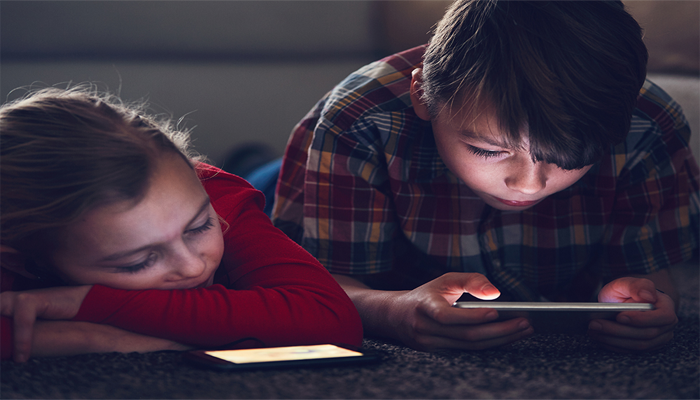
The modern child is born into a glowing world. From tablets that soothe toddlers to classrooms powered by Chromebooks, screens have become the scaffolding of early development. Yet as digital immersion deepens, a critical question confronts parents, educators, and policymakers alike: How much is too much?
Pediatricians are increasingly sounding the alarm , not because technology is inherently harmful, but because it’s unrelenting. The average American child spends more time in front of screens than in school, often at the expense of sleep, exercise, and face-to-face connection. What was once a weekend treat has become a daily constant.
The Hidden Costs of Digital Overload
Behavioral researchers now describe a troubling paradox: while screens can enhance cognitive skills and early literacy, they also distort attention spans, emotional regulation, and social cues. A 2023 study from the American Academy of Pediatrics found that children who exceeded recommended screen limits were twice as likely to experience sleep disturbances and had higher rates of anxiety and irritability.
It’s not just what’s on the screen , it’s what gets displaced. Every hour spent scrolling TikTok or gaming is an hour not spent playing outside, reading, or engaging in unstructured creativity , all crucial for neurological development. In essence, digital exposure is replacing the analog activities that build empathy, resilience, and imagination.
Screens, Sleep, and the Developing Brain
Light-emitting screens trick the brain into thinking it’s still daytime, delaying melatonin production and disrupting circadian rhythms. This leads to what pediatric sleep specialists call “digital jet lag” , a chronic mismatch between natural sleep cycles and screen-influenced wakefulness. Children who sleep less perform worse academically and show elevated levels of stress hormones like cortisol.
Quality Over Quantity
Still, it’s not all doom and pixels. Thoughtfully curated digital experiences can be enriching, especially when adults co-engage with children. Educational apps, interactive storytelling, and virtual museum tours have proven benefits when used intentionally. The distinction is simple but often ignored: not all screen time is created equal.
“Technology itself isn’t the enemy,” says Dr. Lauren Michaels, a pediatrician at Boston Children’s Hospital. “The danger lies in unsupervised, excessive, or passive use. Parents need to think of screen time as they would nutrition , balance is key.”
Frequently Asked Questions, Answered by Pediatricians
Q: Why is screen time a concern for children?
Screens , whether TV, tablets, smartphones, or gaming consoles , are everywhere today. While technology can be educational, too much screen time affects children’s sleep, learning, eyesight, physical activity, and even their behavior.
Q: How much screen time is recommended?
- Under 2 years: Best to avoid screens except for video calls with family.
- 2–5 years: No more than 1 hour per day, and only high-quality, supervised content.
- 6 years and older: Ideally less than 2 hours of recreational screen time daily. School-related use is separate but should also be balanced with breaks.
Q: What are the risks of too much screen time?
- Sleep problems and irritability.
- Poor concentration and reduced school performance.
- Increased risk of obesity due to lack of physical activity.
- Eye strain, headaches, and posture issues.
- Delayed social and language development in younger children.
Q: Are educational apps and videos safe?
Yes, but with limits. Quality matters more than quantity. Choose age-appropriate, interactive, and educational content. Parents should co-watch with younger children to explain and guide.
Q: How can parents manage screen time at home?
- Set clear daily limits.
- Keep screens out of bedrooms and mealtimes.
- Encourage outdoor play, reading, and hobbies as alternatives.
- Be a role model: children copy parents’ habits.
- Use “tech-free zones” (like the dining table or bedtime).
Q: Is complete banning of screens necessary?
Not always. Technology is part of modern life, and children also need digital skills. The goal is healthy balance, meaningful screen use, not endless scrolling or gaming.
Toward a Healthier Digital Childhood
The answer to how much is too much is less about the clock and more about consciousness. A child immersed in creating a digital storybook with a parent is learning; a child left alone in a feedback loop of algorithmic entertainment is not.
Parents are the algorithm that matters most. By modeling balanced habits, setting clear boundaries, and treating digital time as a shared, intentional activity, they can transform screens from a source of distraction into a tool for discovery.
In the end, childhood should glow not from the light of a device , but from curiosity, connection, and the world beyond the screen.