By Tooba:
MBA M.Phil
In a world where shifting alliances define the balance of power, the defence partnership between Pakistan and Saudi Arabia is emerging as a game-changer with implications far beyond their borders.
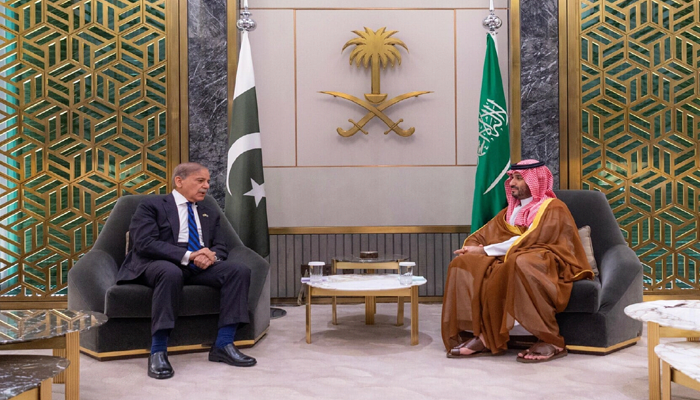
The Pakistan-Saudi Arabia defence relationship is becoming increasingly significant and powerful, and its consequences reach well beyond the relationship itself. In September 2025, both countries signed a Strategic Mutual Defence Agreement (SMDA), which states that, in case either of them is attacked, then it will be considered as an attack on both of them. The security picture is no longer the Gulf as before, but that of South Asia, because what was an informal relationship that hinged on trust, training, and common interests evolved to a formal agreement. Pakistan has been a long-time ally of Saudi Arabia in constructing its defence. Pakistani advisors, trainers, troops have been present in the Kingdom since the 1960s and thousands of Saudi officers have also been trained in the army, the Navy and the air force by Pakistan. There has also been an exchange of defence equipment and joint exercises by the two countries. The distinction in modern times is that their defence commitments are now formally stipulated in a contract, and so the world now pays more attention.
The SMDA also challenges analysts to consider the manner in which security and deterrence are effective in the Gulf and South Asia. For decades, Saudi Arabia was under the U.S. protection. Riyadh is demonstrating its desire to expand its security by entering into this agreement with Pakistan. To Pakistan, the arrangement provides the country more leverage in the Gulf, enhances its status amongst Muslim majority nations and may create new vistas in diplomacy, military commerce, and regional politics. Of nuclear deterrence also comes the question. Certain officials in Pakistan have suggested that Saudi Arabia would fall under the nuclear umbrella of Pakistan in the event of a conflict, although others denied any such clause in the agreement. Nevertheless, even the prospect of nuclear cooperation alters the perception of other nations regarding the region, as Saudi Arabia seems to be more active in the sphere of defence instead of passively relying on others.
Meanwhile, it remains unclear how the agreement is going to be practically implemented. The treaties of defence can be very difficult to implement. The vision of 2030 of Saudi Arabia is also oriented on establishing its own defence industry, which would help to decrease its reliance on external partners. Instead, Pakistan may experience financial, logistical and manpower problems in sustaining a bigger role in the Gulf. To Pakistan, the agreement comes with additional benefits other than security cooperation. Saudi Arabia has been repeatedly contributing loans, oil supplies, and investments towards the economy of Pakistan. Other analysts are convinced that the agreement would result in larger defence deals, collaborative technology, and weapons sales that will enable Pakistan to consolidate its defence sector. Such cooperation would bring economic and defence relations even closer together.
Other regional players are also not spared in the pact. India will now need to take into account the Saudi-Pakistani defence nexus in strategising in the Gulf. Iran and Israel will closely monitor whether Saudi Arabia will be more aggressive in its security policy with the support of Pakistan. To the rest of the Gulf, the consensus may elicit new defence alliances other than the conventional U.S.-dominated models. However, there are risks. Pakistan's intervention in Gulf security may drag it into regional tussles, hence making it even more difficult to balance its ties with Iran. In Pakistan, they might also fear being overly bound by the foreign policy of Saudi Arabia. On the Saudi side, relying heavily on Pakistan may cast uncertainty on the reliability in the long term, in case Riyadh accelerates its military development.
In the future, the alliance might evolve into the sharing of technology, joint manufacturing of weapons and even common command systems. Other observers foresee potential collaboration on missiles, fighter jets or military bases. When this occurs, the relationship may shift from mere collaboration to a point that is highly similar to a military alliance. All in all, the Saudi–Pakistan defence agreement does not happen to be a mere contract. It is a significant change in approach; both countries have a new lever, and the security balance in the Gulf and South Asia has changed. However, the actual test will be whether a deal can be made to work or not, whether resources will be managed in a prudent way, and whether the two parties will be able to balance between independence and partnership. In the modern world, where there is no surety, Pakistan and Saudi Arabia are hoping that closer defence relations would guarantee them a role in the evolving world.
As the Gulf and South Asia stand at the crossroads of global geopolitics, the Pakistan–Saudi defence pact is more than an agreement; it is a bold wager on a shared future of security, influence, and resilience.


- Paki receives second Qatar LNG cargo in Oct to avoid costly spot purchases
- Govt seeks fresh talks with JI over petroleum levy ahead of third protest phase
- Saudi Arabia extends vaccination deadline for travelers by one month
- PM Shehbaz arrives in Peshawar to review security amid governor’s rule
- Three dead, 10 injured in strikes on Dammam airport and Saudi Aramco facility

Pakistan State Time is a versatile digital news and media website that covers all latest news developments on 24/7 basis.