
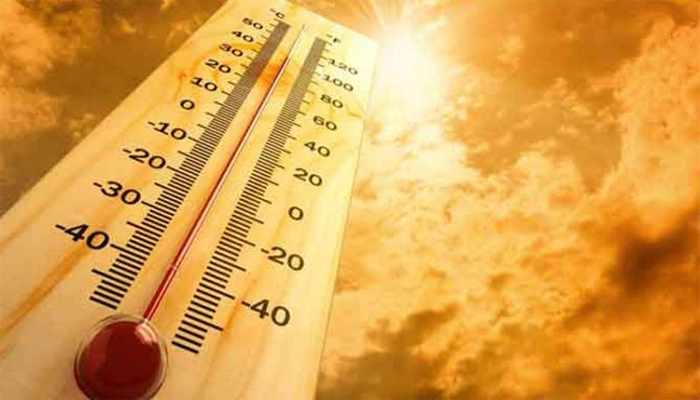
KARACHI: Pakistan is facing a growing climate and population crisis as rising temperatures and rapid demographic expansion threaten economic stability and sustainable development. According to the Pakistan Meteorological Department, March 2026 recorded unusually high temperatures, surpassing levels previously projected for 2030.
Official data shows that night-time temperatures reached 14.7°C, nearly 2.7°C above the long-term average, making it the second-highest on record. Daytime temperatures also climbed to 28.5°C, around 2°C above normal levels. Overall, the national average temperature stood at 21.6°C, significantly higher than the historical average of 19.3°C, marking one of the warmest March periods in Pakistan’s history.
Experts warn that these climate shifts are occurring alongside rapid population growth, intensifying environmental stress. Federal Health Minister Mustafa Kamal recently projected that Pakistan could become the world’s fourth most populous country within five years, adding pressure on already strained resources.
The combined impact of climate change and population growth is creating a cycle of vulnerability. Rising temperatures are affecting agriculture, water availability, and public health, while increasing population density is driving urban expansion and energy demand. Major cities like Karachi are already experiencing the urban heat island effect, where dense infrastructure traps heat and worsens living conditions.
Despite contributing minimally to global emissions, Pakistan remains highly vulnerable to climate shocks, including floods, heatwaves, and erratic monsoon patterns. Environmental experts stress that without immediate action, these challenges could undermine GDP growth and slow economic progress.
Policy analysts argue that addressing this crisis requires a comprehensive approach, combining climate adaptation strategies with population control measures. Education, particularly female literacy, has been identified as a key factor in reducing fertility rates and promoting sustainable development.
In this regard, Planning Minister Ahsan Iqbal has proposed the formation of a National Population Council to coordinate efforts across provinces. Experts believe that such initiatives, along with reforms in resource allocation policies, are essential to managing population growth effectively.
As Pakistan confronts rising temperatures and demographic pressures, experts emphasize the need for urgent, coordinated action to ensure long-term environmental sustainability and economic resilience.